
King Addresses Caribbean Tour: Confronting Slavery's Legacy
The King will confront the UK's darkest slavery history during Caribbean tour, expressing personal sorrow over colonial past and historical injustices.
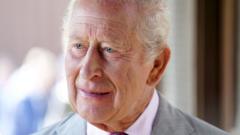
King Confronts UK Slavery History on Caribbean Tour
During his significant Caribbean tour, the King has indicated that discussions surrounding the UK's involvement in slavery and colonial practices will not be avoided or minimized. The King Caribbean tour slavery narrative represents a pivotal moment in addressing historical injustices that shaped both the United Kingdom and the nations he will visit.
The King's Position on Historical Accountability
The monarch has previously articulated his "personal sorrow" regarding the United Kingdom's role in the transatlantic slave trade, a sentiment that continues to guide his approach to international relations. This Caribbean tour UK slavery acknowledgment demonstrates a shift toward more transparent conversations about Britain's colonial past. The King's willingness to engage with these uncomfortable historical truths marks a departure from previous royal approaches to sensitive historical matters.
Understanding the Gravity of the Past
The King's commitment to not shying away from what he describes as the "darkest days of our past" reflects growing international pressure for genuine reckoning with colonial legacies. This perspective acknowledges that many Caribbean nations continue to grapple with the socioeconomic consequences of slavery and colonialism. By addressing these issues directly, the King demonstrates recognition that historical wounds require honest dialogue and acknowledgment rather than avoidance.
Caribbean Nations and Their Expectations
The nations on the King's itinerary have increasingly called for accountability from former colonial powers. The Caribbean tour confronting past grievances represents an opportunity for meaningful conversations about reparations, historical education, and mutual respect. Many Caribbean leaders have expressed that genuine progress in bilateral relationships depends on honest assessments of shared history.
The Broader Context of Decolonization
Across the Caribbean region, there is growing momentum toward addressing the lasting impacts of slavery and colonial rule. The King's tour arrives during a period of heightened awareness regarding how historical injustices continue to affect contemporary societies. Educational institutions, governments, and civil society organizations throughout the Caribbean have intensified efforts to ensure that slavery's dark chapters are neither forgotten nor minimized.
Royal Tour Significance and Impact
The King's approaching Caribbean tour slavery dialogue signals changing expectations for the British monarchy's relationship with former colonies. Rather than ceremonial visits focused solely on tradition and pageantry, modern royal tours increasingly incorporate substantive discussions about historical responsibility and contemporary challenges. This evolution reflects how Commonwealth relationships must adapt to address historical grievances while building more equitable partnerships.
The significance of the King's willingness to engage with uncomfortable historical narratives extends beyond diplomatic protocol. It represents a recognition that nations and institutions must actively participate in historical reckoning rather than maintaining silence or defensiveness. The slavery legacy Caribbean discussion will likely influence how other monarchies and institutions approach similar conversations about their respective roles in historical injustices.
Moving Forward with Honest Dialogue
The King's stated commitment to not avoiding the "darkest days of our past" during his Caribbean tour suggests that subsequent interactions between the monarchy and Caribbean nations may include more substantive discussions about historical accountability. These conversations, while potentially challenging, create opportunities for deeper understanding and more authentic relationships based on mutual recognition of shared history.
By refusing to shy away from difficult historical topics, the King aligns himself with broader global movements toward truth and reconciliation. The Caribbean tour confronting past issues demonstrates that contemporary leadership increasingly demands engagement with historical complexity rather than simplification or avoidance. This approach may set precedent for how future royal engagements address historical grievances within Commonwealth and former colonial relationships.