
Kindergarten Vaccination Rates Fall as Medical Exemptions Soar
CDC data reveals declining MMR vaccination among kindergarteners with non-medical exemptions reaching record 4.2%. Health experts express growing concerns.
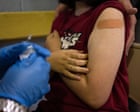
Declining Vaccination Coverage Among Kindergarteners
Recent CDC data has brought attention to shifting kindergarten vaccination rates, revealing concerning trends that medical professionals are closely monitoring. The latest national statistics show that kindergarten vaccination rates have experienced a notable decline, particularly in measles, mumps, and rubella (MMR) immunization coverage. This development comes as non-medical exemptions continue their upward trajectory, now reaching 4.2% according to the most recent Centers for Disease Control and Prevention report.
The Centers for Disease Control and Prevention released comprehensive vaccination data this week, presenting a detailed overview of immunization trends across American kindergarten populations. While agency communications maintained that overall vaccination rates remained at elevated levels, public health specialists and medical researchers immediately identified multiple warning signs within the detailed metrics.
Understanding the Exemption Surge
Non-medical exemptions represent a significant shift in parental decision-making regarding childhood vaccinations. These exemptions, which include philosophical and religious objections, have climbed to unprecedented levels, creating potential vulnerabilities in community immunity. The 4.2% figure represents the highest recorded exemption rate in recent history, signaling a fundamental change in vaccination acceptance across many American communities.
The distinction between medical and non-medical exemptions carries substantial public health implications. Medical exemptions address situations where children have legitimate health contraindications to specific vaccines, determined by qualified healthcare providers. Non-medical exemptions, conversely, reflect parental choices based on personal beliefs, philosophical concerns, or religious convictions rather than medical necessity.
Vaccination Coverage Trends and Public Health Implications
The decline in kindergarten vaccination rates presents multifaceted challenges for disease prevention efforts. MMR vaccination coverage, which had previously maintained robust levels exceeding 95% in many jurisdictions, now shows measurable decreases. This downward trend threatens the herd immunity threshold necessary to prevent outbreaks of measles, mumps, and rubella—diseases that can cause serious complications in unvaccinated populations.
Medical experts express particular concern regarding measles transmission potential. This highly contagious respiratory disease spreads through airborne particles and can infect unvaccinated individuals with remarkable efficiency. Communities where vaccination rates fall below critical thresholds face elevated outbreak risks, particularly in schools and childcare settings where young children concentrate.
Expert Assessment and Health Concerns
Public health professionals immediately flagged several aspects of the kindergarten vaccination rates data as warranting serious attention. The downward trajectory in immunization coverage, combined with rising non-medical exemptions, creates conditions favorable for infectious disease resurgence. Pediatricians and epidemiologists emphasize that vaccination rates must remain above 90-95% for specific diseases to maintain population-level protection.
The timing of this CDC announcement coincided with increased vaccine-related misinformation circulating through various media channels. Public statements containing misleading claims about vaccine composition, safety profiles, and administration methods have contributed to growing vaccine hesitancy among certain population segments.
CDC Data Analysis and Interpretation
The CDC's official communication regarding kindergarten vaccination rates employed measured language, emphasizing that overall immunization coverage remained