
Israeli Settlers Torch Mosques and Vehicles in West Bank
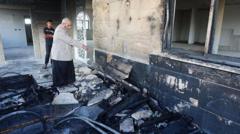
Israeli settlers set fire to mosques, cars and farmland in the West Bank, escalating tensions following clashes near Tal village that killed six people.
Escalating Tensions Following Recent Clashes
Reports indicate that Israeli settlers have engaged in a series of incendiary attacks targeting Palestinian properties across the West Bank, with Palestinian authorities documenting incidents involving mosques, vehicles, and agricultural land. These Israeli settlers West Bank violence incidents represent a concerning pattern of escalation in an already volatile region, following the deadly confrontation that occurred in the vicinity of Tal village just two days prior.
The Tal Village Incident
The immediate trigger for these recent attacks stems from a significant clash that unfolded near the village of Tal, resulting in casualties on both sides of the Israeli-Palestinian conflict. The confrontation claimed the lives of four Palestinians and two Israelis, marking a particularly severe exchange of violence in the disputed territory. This tragic event set the stage for the subsequent retaliatory actions reported in the aftermath.
Properties and Infrastructure Under Attack
According to Palestinian accounts, the targeted Israeli settlers West Bank violence extended to multiple categories of civilian infrastructure and property. Mosques, which serve as centers of religious and community life, were among the primary targets of the incendiary attacks. Additionally, personal vehicles belonging to Palestinian residents were deliberately set ablaze, while agricultural parcels—crucial to the livelihoods of rural Palestinian communities—sustained damage from fires allegedly ignited by settler groups.
Impact on Palestinian Communities
The destruction of property and desecration of religious sites have profound implications for Palestinian residents living in proximity to Israeli settlements. The burning of mosques represents not merely property damage but strikes at the heart of cultural and spiritual identity. Farmers whose lands were targeted face potential loss of crops and long-term damage to soil integrity. Residents who lost vehicles confront significant economic hardship, as replacement and repair costs place additional strain on families already navigating the complexities of life in occupied territories.
Patterns of West Bank Tensions
These incidents exemplify the broader West Bank tensions that have characterized the region for decades. The cycle of violence—beginning with confrontation between communities and followed by retaliatory actions—continues to perpetuate an environment of instability and fear. International observers and humanitarian organizations have consistently documented such patterns, noting how isolated clashes frequently trigger broader waves of violence affecting civilian populations.
Response and International Concern
Palestinian officials have condemned the attacks as illegal acts by Israeli settlers operating outside the framework of lawful conduct. The incidents have drawn attention from international human rights monitors, who continue tracking violations and documented attacks on Palestinian property. Calls for investigation and accountability emerge regularly, though enforcement mechanisms remain limited and contested within the broader political context of Israeli-Palestinian relations.
Regional Stability Concerns
The succession of violent episodes underscores the fragile nature of security arrangements and community relations within the West Bank. When Israeli settlers engage in vigilante-style actions—particularly involving religious buildings and civilian infrastructure—the prospect for de-escalation diminishes substantially. These episodes complicate already difficult negotiations and peace initiatives aimed at reducing tensions between communities.
Looking Forward
As investigations into these incidents proceed, questions persist regarding prevention of future violence and accountability mechanisms. The challenge of addressing underlying grievances while preventing retaliatory cycles remains central to any meaningful progress toward stability. Until comprehensive frameworks addressing both immediate security concerns and historical grievances are established, incidents of this nature appear likely to continue, perpetuating cycles of violence that harm civilians on all sides of the Israeli-Palestinian conflict.