
Israel Launches Military Operations in Southern Lebanon Amid Hezbollah Opposition
Israel carries out military strikes in southern Lebanon following a new framework agreement with Lebanon. State media reports at least one casualty after the ac...
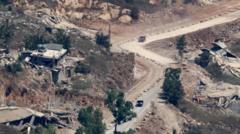
Military Operations Resume Following Regional Agreement
Israel military strikes Lebanon have intensified in the southern regions, marking a significant escalation even as diplomatic negotiations between the two nations have progressed. The operations, which commenced just hours after Lebanon and Israel finalized their framework agreement, have already resulted in confirmed casualties according to local state media sources.
The timing of these Israel military strikes Lebanon operations raises questions about the stability of the newly signed accord and the commitment of both parties to its implementation. Observers note that the continued military activities suggest underlying tensions persist despite the diplomatic breakthrough.
Casualty Reports and Humanitarian Concerns
State media outlets have confirmed that the recent strikes have resulted in at least one fatality, with officials working to assess the full extent of the damage across affected areas. The attacks targeted various locations throughout the southern Lebanese territories, prompting humanitarian organizations to mobilize response efforts.
Local authorities have been coordinating evacuation procedures in vulnerable zones while medical facilities prepare for potential mass casualty scenarios. The civilian impact of these operations continues to be a focal point for international observers monitoring the situation.
Hezbollah's Strong Response
Hezbollah has issued stern condemnations of the military operations, characterizing the strikes as a violation of the framework agreement that was supposed to establish a pathway toward stability. The militant organization's leadership has called for immediate cessation of hostilities and accused Israeli forces of deliberately undermining peace efforts.
The group's response reflects the complex dynamics at play, where multiple stakeholders maintain conflicting interests and interpretations of the newly established accord. Their position suggests that the agreement may face significant implementation challenges in the coming days.
Framework Agreement Context
The framework agreement signed by Lebanon and Israel represents an attempt to address longstanding disputes and reduce cross-border tensions. However, the rapid resumption of military activities suggests that critical issues remain unresolved and that various parties interpret the accord's provisions differently.
Diplomatic observers have emphasized that the agreement requires careful implementation mechanisms and international oversight to succeed. The current situation underscores the fragility of such arrangements in the Middle Eastern context.
Regional Implications and International Response
The continued military operations have drawn attention from international bodies and regional actors who are monitoring developments closely. The situation represents a critical test of whether the framework agreement can survive the pressures of competing interests and historical grievances.
Analysts suggest that the next phase will determine whether these recent strikes represent a temporary escalation or an indication that the peace process faces fundamental obstacles. The international community remains engaged in diplomatic efforts to prevent further deterioration of the security situation.