
Iran's Trade Partners: Impact of Trump's Economic Strategy
Discover Iran's main trading partners and how Trump's 'economic D-Day' policy could reshape international commerce and sanctions.
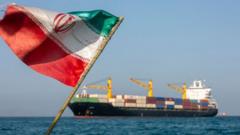
Iran's International Trade Network: A Complex Economic Landscape
Iran's trade partners represent a crucial aspect of the nation's economic resilience amid international pressures. Over decades of geopolitical tension, the Islamic Republic has cultivated robust commercial relationships with multiple countries, creating alternative pathways for economic engagement and survival. Understanding Iran's trade partners becomes essential when analyzing the potential consequences of aggressive trade policies.
Established Trading Relationships and Economic Partnerships
The country maintains significant trade connections with numerous nations across Asia, Europe, and the Middle East. China emerges as one of Iran's most important trade partners, particularly in energy exports and manufacturing imports. India also plays a substantial role in Iran's commercial landscape, importing considerable quantities of crude oil and petroleum products.
Turkey represents another critical market for Iranian goods, serving as a gateway for trade with European nations. The United Arab Emirates and Oman facilitate important commercial exchanges, while Russia continues strengthening its economic ties with Tehran through various bilateral agreements and joint ventures.
What Does Trump's 'Economic D-Day' Strategy Entail?
The phrase 'economic D-Day' references a comprehensive approach to economic pressure that could fundamentally reshape Iran's trade partners network. This strategy reportedly encompasses broader sanctions, enhanced enforcement mechanisms, and pressure on international entities conducting business with Iranian companies. Such measures could significantly impact global supply chains, particularly in energy markets.
The policy framework aims to restrict Iran's access to international banking systems, limit its oil exports, and discourage foreign investment in Iranian sectors. Trump's economic initiatives have historically focused on maximum pressure through coordinated sanctions, which could affect not only Iran but also the countries maintaining Iran's trade partners relationships.
Implications for Current Trading Partners
Countries with established Iran's trade partners agreements face difficult decisions. Businesses and governments must weigh the benefits of Iranian commerce against the risks of American sanctions and potential penalties. Secondary sanctions—penalties applied to third-party nations conducting business with Iran—create additional complications for Iran's trade partners worldwide.
European nations, particularly those in the EU, may find themselves navigating conflicting interests between maintaining transatlantic relationships and preserving commercial opportunities with Iran. Asian nations, with less historical alignment with American foreign policy, might demonstrate greater resilience in maintaining Iran's trade partners connections.
Economic Consequences and Market Disruptions
An intensified sanctions regime could severely disrupt energy markets globally. Iran's oil exports, which represent the backbone of government revenue, would face additional barriers. This scenario would pressure Iran's trade partners to either abandon commerce entirely or develop more sophisticated mechanisms to circumvent restrictions.
The financial sector would experience particular strain, as banking institutions worldwide remain sensitive to American regulatory pressure. Companies across Iran's trade partners nations would face compliance challenges and potential legal liability, forcing many to retreat from Iranian markets regardless of profitability potential.
Strategic Responses and Adaptation Mechanisms
Iran's trade partners have demonstrated historical innovation in circumventing sanctions. Barter systems, cryptocurrency transactions, and regional trade agreements offer alternative pathways. Countries like China and Russia possess greater insulation from American pressure, potentially expanding their role among Iran's trade partners.
Regional alternatives, including intra-Asian trade agreements and Middle Eastern economic cooperation frameworks, could provide supplementary mechanisms for Iranian commerce. However, these alternatives remain constrained by geopolitical limitations and technological capabilities.
Long-Term Economic Outlook
The implementation of 'economic D-Day' measures would create substantial pressure on Iran's trade partners ecosystem. While some nations might withdraw, others could entrench themselves more deeply in Iranian commerce, accepting associated risks. The outcome would significantly depend on international consensus and the willingness of major economies to enforce coordinated restrictions on Iran's trade partners activities worldwide.