
Infantino Faces European Backlash Over Trump Intervention
Gianni Infantino dismisses European criticism regarding Trump involvement in FIFA affairs. Analysis of the Folarin Balogun controversy and its impact on FIFA le...
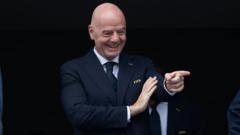
Infantino's Response to Growing European Criticism
The Infantino Trump intervention controversy has sparked considerable debate across Europe, yet FIFA president Gianni Infantino appears unfazed by mounting pressure from continental governing bodies. After a decade leading world football's governing organization, Infantino maintains a firm grip on his position despite recent tensions surrounding American political involvement in international football matters.
The ongoing diplomatic tensions underscore a broader pattern within FIFA's institutional structure, where Infantino has consolidated considerable authority. European football associations, traditionally influential in shaping FIFA policy, find themselves increasingly sidelined in key decision-making processes. This shift reflects a fundamental realignment in how international football governance operates under Infantino's leadership.
The Folarin Balogun Factor
The Folarin Balogun controversy has become emblematic of deeper institutional tensions within modern football administration. The English striker's eligibility dispute highlighted inconsistencies in FIFA's regulatory framework and exposed divisions among European stakeholders regarding how the organization handles sensitive matters of international representation.
Balogun's situation demonstrated FIFA's willingness to navigate complex political terrain while maintaining operational continuity. Rather than creating a crisis that might threaten Infantino's tenure, the controversy served as a reminder of FIFA's institutional resilience under his stewardship. The organization weathered the diplomatic storm with minimal structural disruption, suggesting that Infantino's position remains secure regardless of external criticism.
European Institutions Challenge FIFA Authority
European football bodies have historically wielded significant influence within FIFA's decision-making apparatus. However, recent developments suggest this power dynamic is shifting. The backlash over Trump intervention in FIFA affairs reveals growing frustration among continental stakeholders who perceive themselves as excluded from crucial strategic discussions affecting international football.
Despite vocal criticism from European nations, FIFA's institutional mechanisms provide Infantino with substantial insulation from direct challenges to his authority. The organization's governance structure, reformed through various initiatives over the past decade, has concentrated executive power in ways that make leadership transitions increasingly difficult. European voices, however unified, struggle to translate discontent into meaningful institutional change without broader international coalition-building.
Infantino's Decade of Institutional Control
Since assuming office in 2016, Infantino has systematically reshaped FIFA's power distribution. His leadership has prioritized expansion of the World Cup, creation of new competitive formats, and strategic partnerships with global political figures. This approach has generated both substantial revenue streams and significant institutional leverage that shields him from conventional pressure mechanisms.
The FIFA president's ability to navigate contentious situations reflects careful cultivation of support beyond European constituencies. His administration has developed strategic relationships with confederations across Africa, Asia, and the Americas, creating a broader power base that diminishes European football's relative influence. This global approach to institutional management makes him substantially more resilient to regional criticism than previous FIFA presidents.
Structural Protections for FIFA Leadership
FIFA's governance reforms, implemented during Infantino's tenure, have paradoxically strengthened executive authority while appearing to enhance democratic participation. New procedures for presidential elections, competition structures, and conflict resolution mechanisms have created institutional frameworks that favor incumbent leadership. These structural protections mean that European backlash, regardless of intensity or justification, operates within predetermined channels with limited capacity for disruption.
The organization's administrative apparatus has been carefully calibrated to manage crises without fundamental institutional restructuring. Infantino's coalition-building across multiple continental confederations provides him with sufficient institutional leverage to withstand regional opposition. European criticism, though loud, lacks the international coordination necessary to constitute a genuine existential threat to his presidency.
Looking Forward: Institutional Continuity
Analysis of FIFA's current institutional landscape suggests that Infantino's position remains substantially secure despite European criticism surrounding Trump-related interventions and other contentious matters. The organization's structural design, developed over his presidency, has created multiple layers of institutional protection that make leadership transitions extraordinarily difficult.
Future challenges to FIFA governance will likely require coordinated international opposition far exceeding current European criticism. The Folarin Balogun controversy, while significant, ultimately failed to generate the institutional momentum necessary to threaten Infantino's authority. Similar challenges facing international football administration will probably follow comparable patterns, with regional opposition encountering substantial structural obstacles within FIFA's existing governance framework.