
Infantino Convenes Urgent Leadership Meeting Amid Commercial Plan Backlash
FIFA President Infantino calls executive meeting Wednesday facing mounting criticism over commercial operations sale plan. Latest developments on FIFA governanc...
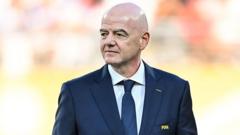
FIFA President Summons Senior Leadership Over Commercial Plan Controversy
Gianni Infantino, the president of FIFA, has convened an urgent Infantino executive meeting scheduled for Wednesday as escalating criticism continues to surround his ambitious proposal to divest the organization's commercial and event operations. The gathering of senior organizational leaders represents a significant moment for the global football governing body as it navigates intense internal and external scrutiny regarding this transformative business strategy.
Rising Opposition to FIFA's Commercial Strategy
The Infantino executive meeting comes at a time when substantial pushback has intensified against the proposed restructuring plan. Multiple stakeholders within the football community have voiced concerns about the potential implications of selling off FIFA's commercial and event operations, with critics questioning the long-term financial and operational consequences for international football governance.
The controversial proposal has generated significant debate among member associations, tournament organizers, and football industry experts. The timing of this Wednesday gathering underscores the urgency with which Infantino seeks to address mounting internal dissent and external pressure regarding the strategic direction of these critical organizational functions.
Details of the Commercial Operations Divestment Plan
The proposed sale of FIFA commercial operations represents one of the most significant structural changes in the organization's recent history. This initiative would fundamentally alter how FIFA manages its revenue streams, sponsorship relationships, and the commercialization of major tournaments including the World Cup and other flagship competitions.
Under this proposal, external entities would assume control over previously FIFA-managed commercial operations, potentially including broadcast rights, sponsorship agreements, and merchandise licensing. The restructuring aims to streamline operations and generate immediate capital, though critics argue it could compromise FIFA's long-term financial autonomy and decision-making authority over its most valuable assets.
Broad Criticism from Multiple Stakeholders
Opposition to Infantino's vision extends across various segments of the football ecosystem. National football associations, regional confederations, and independent analysts have expressed reservations about relinquishing control over revenue-generating mechanisms that have historically provided FIFA with substantial financial resources.
The FIFA governance criticism has highlighted concerns about accountability, transparency, and whether such a dramatic structural shift requires broader consensus among member organizations rather than executive-level decision-making. Some observers worry that privatizing commercial operations could create conflicts of interest or reduce FIFA's ability to reinvest tournament revenues into development programs and global football initiatives.
Infantino's Leadership at a Critical Juncture
As FIFA president, Infantino has previously championed organizational reforms and expansion initiatives, including the expanded World Cup format. However, the Gianni Infantino leadership approach to this particular proposal appears to have generated unprecedented levels of skepticism even among traditional supporters of modernization efforts.
The scheduled executive meeting represents an opportunity for Infantino to present a comprehensive justification for the commercial operations strategy and potentially address specific concerns raised by senior officials and member associations. How this meeting unfolds could significantly influence the trajectory of FIFA's organizational restructuring plans.
Implications for FIFA Event Operations
Beyond commercial aspects, the proposed changes would impact how FIFA structures and manages major events. The FIFA event operations sale component of this plan raises questions about tournament organization, scheduling flexibility, and the relationship between FIFA's governing role and commercial event management.
Tournament organizers and competing nations have expressed concerns about potential conflicts of interest if commercial entities gain operational control over event management decisions. These stakeholders worry that profit-driven considerations might influence scheduling, venue selection, or other operational choices that traditionally reflected FIFA's priorities rather than purely commercial interests.
Looking Ahead: What the Wednesday Meeting Means
The convening of this senior leadership gathering signals that Infantino recognizes the serious nature of the opposition facing his proposal. Rather than proceeding unilaterally, he has opted to engage directly with influential organizational figures to build consensus or at least explain his rationale more thoroughly.
The outcome of Wednesday's Infantino executive meeting will likely provide important signals about whether FIFA leadership remains united behind this transformative strategy or whether significant modifications will be required to address stakeholder concerns. This represents a defining moment for FIFA's future organizational structure and its approach to governance in the coming years.