
Indian Medical Exam Security Tightened Following Paper Leak Allegations
Enhanced security measures including biometric checks and military deployment secure Indian medical exam after paper leak allegations affect millions of candida...
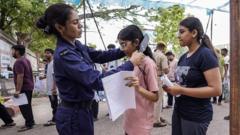
Enhanced Security Measures Implemented for Medical Exam Resit
Following serious allegations of a paper leak in Indian medical entrance examinations, authorities have implemented comprehensive security protocols to ensure the integrity of the rescheduled assessment. The situation has prompted unprecedented measures to protect millions of aspiring medical students across the nation who are preparing to resit the examination under heightened vigilance.
Biometric Technology at Examination Centers
The primary focus of the Indian medical exam security overhaul centers on the deployment of advanced biometric identification systems. All candidates must undergo fingerprint scanning and facial recognition procedures before gaining access to examination halls. These technological safeguards aim to create an irrefutable record of each participant's identity and attendance, making it virtually impossible for unauthorized individuals to impersonate legitimate test-takers. The biometric data collection process has been streamlined to minimize delays while maintaining maximum accuracy and security standards.
Comprehensive Frisking and Screening Procedures
Beyond digital verification, authorities have mandated thorough physical screening of all examination attendees. Security personnel conduct detailed pat-downs and bag inspections to prevent the smuggling of unauthorized materials, mobile devices, or communication equipment. This multi-layered approach to security measures represents a significant escalation from previous examination protocols. Officials emphasize that these invasive procedures, while uncomfortable, are essential safeguards to maintain the credibility of the medical entrance examination system.
Air Force Deployment for Document Protection
In an unprecedented move, India's Air Force has been mobilized to oversee the transportation and storage of examination papers. Military personnel are stationed at distribution centers and examination venues to provide armed security for all official question papers before and during the examination period. This extraordinary deployment of armed forces underscores the severity of the paper leak allegations and the government's commitment to preventing any further breaches. The Air Force's involvement ensures chain-of-custody protocols are maintained throughout the examination administration process.
Impact on Millions of Candidates
The enhanced security requirements directly affect millions of medical aspirants who have already faced significant disruption due to the initial paper leak allegations. Candidates must now arrive at examination centers substantially earlier than previous requirements to accommodate extended security procedures. This includes time for biometric processing, physical screening, and document verification. While the extended timeline creates additional logistical challenges for test-takers and their families, authorities argue that the measures are justified given the circumstances that necessitated the examination's postponement and rescheduling.
Government Response and Commitment
The Ministry of Education has released statements affirming that these extraordinary security enhancements represent a temporary but necessary response to the exceptional circumstances. Officials have assured candidates that all protective measures are designed specifically to prevent incidents similar to the alleged paper leak. The implementation of such rigorous protocols is intended to restore public confidence in the integrity of India's medical entrance examination system, which serves as the gateway to medical education for hundreds of thousands of aspiring healthcare professionals.
Examination Center Infrastructure Updates
Beyond personnel-based security, examination centers have undergone physical infrastructure modifications. Facilities now feature enhanced surveillance systems with multiple high-definition cameras monitoring all access points and testing areas. Examination rooms have been reconfigured to improve visibility and reduce opportunities for unauthorized communication. Additionally, exam security protocols now include staggered testing schedules and randomized seating assignments to minimize coordination possibilities among potential cheaters or paper leak perpetrators.
Verification of Authentic Examination Materials
Quality assurance teams have implemented sophisticated document verification systems to ensure all examination papers are authentic and have not been compromised. Security threads, watermarks, and holographic elements have been incorporated into official examination documentation. These anti-counterfeit measures work in conjunction with the military's physical protection to create redundant verification systems at multiple points throughout the examination cycle.
Looking Forward: Establishing New Standards
The dramatic response to the Indian medical exam security crisis establishes new baseline standards for high-stakes examinations throughout India's education system. Other competitive entrance examinations are expected to adopt similar security frameworks moving forward. This incident has catalyzed a comprehensive reevaluation of how India manages the administration of critical examinations that determine millions of individuals' academic and professional futures. The collaborative effort involving civilian authorities, military personnel, and technological systems represents an integrated approach to examination security that may become the model for future assessments in the country's educational landscape.