
Hospital Wards Hit Unsafe Temperatures During Heatwaves
Heatwaves leave hospital wards dangerously unsafe as temperatures exceed safe limits. NHS data reveals critical cooling failures affecting patient care and surg...
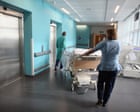
Heatwaves Create Critical Safety Crisis in Hospital Wards Across England
Recent data obtained from 33 NHS trusts demonstrates that heatwaves are creating unprecedented challenges within hospital wards unsafe for patients and staff. During July, multiple medical facilities recorded ward temperatures that significantly exceeded the 28C safety threshold established by NHS England, exposing fundamental vulnerabilities in healthcare infrastructure during extreme weather events.
The scale of the temperature crisis affecting heatwaves hospital wards unsafe conditions has become evident through alarming readings documented throughout English hospital systems. The Northern Care Alliance NHS foundation trust, which operates four healthcare facilities across Greater Manchester, registered peak temperatures reaching 41.8C during last month's intense heatwave—approximately 14 degrees above the medically recommended safe maximum for patient environments.
Operational Disruptions and Surgical Cancellations
The extreme thermal conditions have triggered widespread operational disruptions within hospital infrastructure. Operating theatres across multiple facilities have experienced critical failures of cooling systems designed to maintain controlled environments essential for surgical procedures. These equipment malfunctions have forced hospitals to cancel numerous scheduled surgeries, creating significant backlogs in elective procedures and extending waiting times for patients requiring non-emergency interventions.
Beyond institutional challenges, individual patients are making difficult decisions about their medical care. A notable proportion of individuals scheduled for surgical procedures have voluntarily cancelled appointments, citing the physical impossibility of traveling to medical facilities during peak heat conditions. This patient-driven cancellation pattern reflects genuine health concerns about vulnerable populations attempting to navigate healthcare systems during dangerously hot weather.
Enhanced Scheduling and Patient Support Measures
Healthcare facilities have implemented adaptive scheduling strategies to mitigate heat-related challenges. Both hospital wards and general practitioner surgeries are prioritizing appointments for elderly and frail patients during cooler morning and evening hours, reducing exposure risks and improving accessibility. These modified schedules acknowledge that vulnerable populations face disproportionate dangers when traveling during extreme temperature events.
Emergency Medical Services Under Strain
Ambulance services face distinct operational challenges during heatwaves, particularly concerning medication storage. The interior conditions of emergency vehicles reach dangerous temperatures that threaten medication integrity and efficacy. Critical pharmaceuticals require specific temperature ranges for stability, and the extreme heat accumulating in ambulance compartments creates situations where essential medications deteriorate before reaching patients.
NHS ambulance trusts have implemented operational modifications to protect crew safety and maintain service capability. Personnel protocols have been relaxed to allow alternative uniform options—including shorts replacing traditional trousers—enabling ambulance crews to maintain cooler body temperatures while responding to emergencies. These practical adjustments recognize that sustained heat exposure compromises the physical capacity of healthcare workers to deliver optimal emergency care.
Systemic Vulnerabilities Revealed
The data disclosed through these 33 NHS trusts reveals fundamental infrastructure vulnerabilities that become critical during extreme weather patterns. Air conditioning and cooling systems designed decades ago were not engineered for contemporary climate conditions producing sustained temperatures approaching 42C. Many hospital buildings, constructed with materials and ventilation systems optimized for historical temperature ranges, prove inadequate when facing modern heatwave intensities.
Hospital administrators and health policy officials face mounting pressure to address these systemic deficiencies. The temporary measures currently implemented—modified schedules, staff uniform adjustments, and voluntary surgery cancellations—represent emergency responses rather than sustainable solutions. Healthcare infrastructure modernization has become an urgent priority as climate patterns demonstrate increasing frequency and intensity of extreme heat events.
Broader Implications for Healthcare Delivery
These documented incidents underscore interconnected challenges within the NHS system. Patient safety, staff welfare, equipment functionality, and operational continuity are all threatened when environmental conditions exceed design specifications. The simultaneous pressure on multiple system components—cooling failures, medication storage issues, scheduling complications, and patient accessibility barriers—demonstrates how environmental extremes cascade through healthcare organizations.
As climate science indicates increasing frequency of severe weather events, healthcare systems must fundamentally reassess infrastructure planning and investment priorities. The data from 33 NHS trusts during recent heatwaves provides concrete evidence supporting urgent modernization initiatives, with hospital wards unsafe conditions becoming an increasingly predictable challenge rather than an exceptional circumstance.