
Historic Swedish Warship Restoration Through Technology
Discover how advanced technology is preserving Sweden's historic warship. Meet Adrienne Murray and the innovative team revolutionizing maritime heritage conserv...
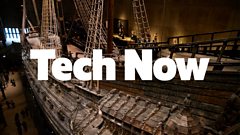
Advanced Technology Safeguards Sweden's Historic Warship
Historic warship preservation has entered a new era as an innovative team in Sweden harnesses cutting-edge technology to protect one of the nation's most significant maritime treasures. Adrienne Murray recently spent time with the dedicated professionals working to ensure this centuries-old vessel survives for future generations through groundbreaking digital and structural conservation methods.
The Mission Behind the Restoration Effort
The preservation initiative represents a comprehensive approach to safeguarding maritime heritage. The team's commitment to historic warship restoration demonstrates how modern innovation can bridge the gap between historical significance and contemporary durability challenges. By employing advanced monitoring systems and documentation techniques, they ensure every detail of the vessel is meticulously recorded and protected.
Combining Tradition with Modern Innovation
What makes this project particularly noteworthy is the seamless integration of traditional craftsmanship with modern technology. The team utilizes 3D scanning, drone photography, and advanced structural analysis to assess the warship's condition without causing additional damage. These methods allow for precise monitoring of deterioration patterns and enable preventative maintenance strategies that were previously impossible.
Digital Documentation and Preservation
One of the cornerstones of the historic warship preservation effort involves creating comprehensive digital archives. High-resolution imaging captures minute details of the vessel's construction, allowing researchers and conservators to study the ship remotely. This technology-driven approach means that critical information about the warship's design, materials, and historical significance is permanently preserved in multiple formats.
Structural Assessment and Monitoring
The team employs sophisticated sensors throughout the vessel to continuously monitor structural integrity. These devices track humidity levels, temperature fluctuations, and material stress, providing real-time data that informs conservation decisions. Such precision in historic warship restoration ensures that interventions are targeted and minimal, preserving as much original material as possible.
Adrienne Murray's Perspective on the Initiative
During her visit, Adrienne Murray observed firsthand the dedication and expertise required for such a monumental undertaking. The team's passion for preserving maritime heritage transcends conventional museum conservation, representing a commitment to keeping naval history alive through both education and technological advancement. Their work demonstrates that historic warship preservation is not merely about maintaining a static artifact but about ensuring an ongoing dialogue between past and present.
The Broader Impact on Maritime Heritage
This Swedish initiative serves as a model for maritime conservation worldwide. By successfully demonstrating how technology enhances historic warship preservation, the project inspires similar efforts across Europe and beyond. Museums, heritage organizations, and government bodies increasingly recognize that investing in advanced preservation methods yields long-term benefits for cultural heritage protection.
Educational Opportunities and Public Engagement
Beyond physical preservation, the team actively engages the public through educational programs and virtual tours. These initiatives allow visitors to experience the historic warship's significance without putting additional stress on the aging structure. Interactive digital experiences bring maritime history to life for audiences of all ages, fostering appreciation for Sweden's naval heritage.
Technical Innovations at Work
The team's toolkit includes laser scanning technology that creates precise three-dimensional models of the vessel's every surface. Artificial intelligence algorithms analyze patterns of corrosion and structural weakness, predicting future deterioration and guiding preventative measures. These technological advances transform historic warship restoration from reactive maintenance into strategic, forward-thinking conservation.
Sustainability and Long-Term Vision
The preservation strategy emphasizes sustainability, seeking solutions that will protect the warship for centuries to come. Rather than applying temporary fixes, the team develops permanent conservation methods aligned with environmental best practices. Their approach to historic warship preservation balances immediate needs with long-term stewardship responsibilities.
Conclusion: Preserving Naval Legacy for Future Generations
The work Adrienne Murray witnessed represents the future of maritime heritage conservation. By combining expert knowledge with technological innovation, the Swedish team proves that historic warship preservation remains both achievable and essential. Their dedication ensures that this remarkable vessel continues telling its story to future generations, standing as a testament to naval history and human ingenuity.