
Hepatitis B Vaccine Trial Approved in Guinea-Bissau
Danish researchers granted approval for controversial hepatitis B vaccine study in Guinea-Bissau, withholding doses from newborns. Details on trial progression.
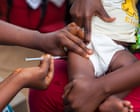
Hepatitis B Vaccine Trial Receives Final Approval
A significant hepatitis B vaccine trial has received official authorization to proceed in Guinea-Bissau this week, marking a major milestone in vaccine research methodology. The study, which involves withholding standard hepatitis B vaccine doses from select newborn populations, represents a pivotal moment in contemporary immunization research practices.
Trial Design and Methodology
Danish researchers leading the hepatitis B vaccine trial have designed a protocol that intentionally withholds recommended vaccination doses from thousands of newborns within the West African nation. The research approach aims to compare health outcomes between vaccinated and unvaccinated cohorts, generating data on long-term vaccine efficacy and safety profiles.
The trial structure involves monitoring developmental patterns, infectious disease rates, and overall health trajectories across both groups. Researchers expect the extended observation period will yield comprehensive insights into hepatitis B vaccine impact on neonatal populations in resource-limited settings.
Connection to Healthcare Policy Reform
The hepatitis B vaccine trial approval aligns with emerging perspectives within the US Department of Health and Human Services under new leadership. Robert F Kennedy Jr, appointed as secretary of HHS, has long advocated for alternative vaccine research frameworks and independent clinical investigation methodologies.
Kennedy's vaccine philosophy emphasizes rigorous scrutiny of immunization protocols and has influenced considerations regarding trial design approvals at federal health agencies. The Guinea-Bissau study reflects these evolving policy perspectives on vaccine research transparency and comparative effectiveness studies.
Global Research Implications
This hepatitis B vaccine trial represents a shift in how African nations participate in international medical research. Guinea-Bissau's approval demonstrates the nation's openness to hosting advanced clinical investigations while raising questions about informed consent protocols and research ethics in developing economies.
The study may establish precedent for future vaccine trials involving withholding standard immunizations in pursuit of comparative safety and efficacy data. International health organizations continue monitoring the trial's progression and methodology compliance with established ethical guidelines.
Scientific Community Response
Medical professionals and public health officials have expressed varied perspectives on the hepatitis B vaccine trial methodology. Some researchers view the comparative approach as scientifically valid for understanding population-level vaccine impacts, while others raise concerns about withholding established preventive treatments from vulnerable populations.
The hepatitis B vaccine trial approval process included extensive review of research protocols, risk assessments, and ethical frameworks. Independent boards evaluated whether potential scientific benefits justify the clinical approach of selective vaccine administration within newborn populations.
Regulatory Oversight and Compliance
Guinea-Bissau's health authorities granted approval following comprehensive evaluation of trial protocols, safety measures, and participant protection mechanisms. The hepatitis B vaccine trial must maintain compliance with international research standards, informed consent requirements, and ongoing ethical review procedures.
Regulatory bodies will monitor the study's execution through periodic safety assessments, adverse event reporting, and continued ethical oversight. The hepatitis B vaccine trial represents one of several international immunization studies advancing understanding of vaccine administration strategies in diverse populations.
Looking Forward
The hepatitis B vaccine trial approval signals continued international collaboration on vaccine research innovation. As the study progresses, additional data will inform future immunization policy discussions and clinical practice recommendations globally.