
Heatwave Produces Unusual Vegetables: Why Deformed Produce is Perfectly Safe
Discover why heatwaves are creating unusual vegetables in UK stores. Learn about deformed produce safety, climate impact, and consumer benefits from extreme wea...
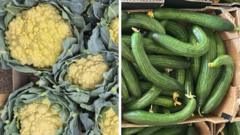
Unusual Vegetables Reshape British Grocery Shelves
The rising frequency of extreme weather events is fundamentally transforming what unusual vegetables appear on British supermarket shelves. Recent agricultural trends reveal that repeated heatwaves are producing significantly higher quantities of deformed, misshapen, and visually atypical produce that challenges conventional aesthetic standards in food retail.
Consumer expectations regarding unusual vegetables are shifting as farmers adapt to new climatic conditions. The phenomenon represents not a quality concern, but rather a natural response to environmental stress on growing crops. Shoppers across the United Kingdom should prepare for increased availability of these character-marked items in the coming seasons.
Understanding Climate-Driven Produce Deformation
Extreme temperature fluctuations create specific growing conditions that result in unusual vegetables with distinctive physical characteristics. When cauliflower plants experience prolonged heat exposure, the florets develop darker pigmentation, appearing sun-tanned rather than cream-colored. Similarly, potatoes grown under stress conditions develop knobby, irregular surfaces that contrast sharply with their smooth-skinned counterparts.
These deformations occur during critical developmental stages when plants struggle with water retention and nutrient absorption. The stress triggers adaptive responses that alter cellular growth patterns, producing the wonky vegetables increasingly common in UK markets. Agricultural experts confirm that these appearance modifications have no bearing on nutritional value or safety for consumption.
Why Deformed Produce Remains Perfectly Safe
Many consumers worry that unusual vegetables might indicate inferior quality or hidden defects. This misconception stems from decades of standardized produce marketing that prioritized uniform appearance over actual food value. Modern food safety protocols establish that unusual vegetables undergo identical safety testing and quality checks as their aesthetically perfect counterparts.
The deformation itself represents purely cosmetic variation. Scientists confirm that misshapen potatoes contain the same nutritional density as smooth varieties. Sun-tanned cauliflower retains identical vitamin content, mineral composition, and taste profiles compared to conventionally colored heads. The physical appearance reflects environmental adaptation, not compromised integrity.
Agricultural Adaptation to Changing Climate Patterns
British farmers increasingly recognize unusual vegetables as inevitable consequences of shifting weather patterns rather than cultivation failures. Repeated heatwaves force agricultural adaptation strategies that prioritize crop survival over market-standard appearance. This pragmatic approach ensures food production continuity despite environmental challenges.
Progressive retailers now actively promote wonky vegetables as authentic, climate-resilient produce. Marketing campaigns highlight the environmental narrative, positioning deformed items as symbols of sustainable farming commitment. Consumer acceptance has grown substantially, with many shoppers deliberately selecting unusual vegetables to reduce food waste and support farmers managing climate-related difficulties.
Economic and Environmental Implications
The emergence of unusual vegetables in mainstream retail channels reduces agricultural waste significantly. Previously, deformed produce was discarded or relegated to processing facilities, representing substantial economic loss for growers. Contemporary market trends increasingly absorb these items into standard distribution networks, improving farmer profitability while reducing unnecessary waste.
Environmental benefits extend beyond waste reduction. Accepting unusual vegetables reduces market pressure on farmers to employ intensive agricultural practices aimed at perfection. This shift enables more sustainable cultivation approaches that prioritize resilience and ecological harmony over aesthetic uniformity, creating positive environmental externalities throughout the food supply chain.
Consumer Perspective and Market Response
British shoppers demonstrate growing acceptance of unusual vegetables as climate awareness increases. Progressive consumers recognize that purchasing wonky produce supports environmental sustainability while reducing their ecological footprint. Educational campaigns successfully communicate that deformed vegetables represent authentic agriculture, untainted by excessive chemical treatments or artificial perfection techniques.
Retail chains across the UK now dedicate shelf space specifically for unusual vegetables, often at competitive pricing. This dedicated marketing approach transformed consumer perception from skepticism to preference. Families increasingly view purchasing character-marked produce as both economically intelligent and environmentally responsible decision-making.
Nutritional Content and Culinary Applications
Nutritional science confirms that unusual vegetables deliver identical health benefits regardless of external deformation. Sun-tanned cauliflower provides equivalent antioxidant compounds, vitamin C, and fiber as standard varieties. Knobby potatoes contain comparable carbohydrates, potassium, and essential minerals required for human nutrition.
Culinary professionals report that wonky vegetables perform identically in cooking applications. Deformed cauliflower florets roast with identical texture and flavor development. Irregular potatoes mash, boil, and bake with comparable results to their uniform counterparts. Chefs increasingly celebrate unusual vegetables for their authentic appearance and culinary authenticity.
Future Agricultural Outlook
Meteorological data indicates that heatwave frequency will continue rising, making unusual vegetables permanent features of British agriculture. Forward-thinking farmers already implement cultivation strategies specifically designed for climate resilience. These adaptive practices accept deformation as acceptable trade-off for ensuring consistent production despite environmental volatility.
The normalization of unusual vegetables represents significant psychological and economic transformation in food retail. Acceptance challenges decades of standardized produce marketing, establishing new baseline expectations aligned with environmental realities. Coming decades will likely witness complete market integration of wonky vegetables as climate adaptation becomes fundamental to agricultural sustainability.