
Hamas Disarmament Plan in Gaza Encounters Major Hurdles Despite Offering Fresh Hope
Explore the complex path to Hamas disarmament in Gaza. Discover why this rare diplomatic opportunity faces significant obstacles amid political tensions and wid...
Hamas Disarmament in Gaza: A Complex Path Forward
The prospect of Hamas disarmament in Gaza represents a rare glimmer of optimism in one of the world's most intractable conflicts, yet the journey toward this goal remains fraught with formidable challenges. Political realities, military complexities, deep-seated mistrust between parties, and the catastrophic human toll have created an environment where achieving meaningful disarmament would require unprecedented cooperation and compromise.
The Obstacles Standing in the Way
Implementing Hamas disarmament demands navigating multiple layers of difficulty that extend far beyond simple negotiations. The political landscape remains deeply fractured, with competing interests from various Palestinian factions, regional powers, and international stakeholders each wielding considerable influence over potential outcomes.
Military and Security Challenges
The military dimension presents equally daunting obstacles. Hamas maintains an extensive network of underground infrastructure, weapons caches, and personnel distributed throughout Gaza's densely populated areas. Locating and securing these assets would require an intrusive verification process that would demand unprecedented access to sovereign Palestinian territory. The organization's deeply embedded presence within civilian population centers complicates any disarmament initiative, as distinguishing between civilian infrastructure and military installations remains practically and politically problematic.
Trust Deficit Among Parties
Perhaps the most intractable barrier involves the near-total absence of trust between parties. Decades of conflict, broken agreements, and cycles of violence have created a psychological environment where each side views the other with profound suspicion. Hamas would need assurances that disarmament would not render it vulnerable to elimination, while the international community and neighboring states require guarantees that such measures would be permanent and verifiable. This confidence gap has historically proven extraordinarily difficult to bridge.
The Humanitarian Context
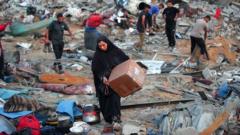
The destruction throughout Gaza adds another layer of complexity to any disarmament framework. The widespread devastation of civilian infrastructure, displacement of populations, and acute humanitarian crisis create an environment where populations are focused on survival rather than political reconciliation. Any meaningful disarmament agreement would need to be coupled with substantial reconstruction efforts, security guarantees, and confidence-building measures that address immediate humanitarian needs.
Why This Moment Offers Rare Potential
Despite these formidable obstacles, current circumstances present unusual diplomatic opportunities. The cost of continued conflict has become undeniably apparent to all parties involved. The scale of destruction, the humanitarian catastrophe, and the international attention focused on Gaza create unprecedented pressure for negotiated solutions. Regional dynamics have also shifted, with several Middle Eastern nations expressing interest in diplomatic resolutions that could stabilize the broader region.
Additionally, international engagement has intensified, with various global powers and organizations offering support for comprehensive peace frameworks that could address Palestinian security concerns while providing the guarantees necessary for successful disarmament implementation.
Requirements for Successful Implementation
Should Hamas disarmament move forward, success would depend on several critical factors working in concert. First, any agreement must address the legitimate security concerns of all Palestinian populations, ensuring that disarmament does not create dangerous vacuums exploited by rival factions or criminal elements. Second, the international community would need to commit substantial resources to verifying compliance and providing ongoing security guarantees. Third, reconstruction efforts would need to proceed simultaneously with disarmament, demonstrating tangible improvements in conditions for ordinary Palestinians.
The Path Ahead
The journey toward Hamas disarmament in Gaza remains uncertain, constrained by political, military, and psychological obstacles that cannot be minimized. However, the convergence of humanitarian necessity, international pressure, and shifting regional dynamics creates a historic moment where previously impossible outcomes may become achievable. Success would require extraordinary leadership, sustained international support, and a commitment to addressing not merely disarmament itself, but the broader conditions of security, justice, and reconstruction that must accompany any lasting agreement. While the challenges are immense, the potential benefits of achieving stability and peace in Gaza justify continued diplomatic efforts toward this ambitious but essential goal.