
H5N1 bird flu detected in Antarctic seabirds found in Western Australia
Brown skuas and giant petrels carrying H5N1 bird flu discovered on WA beaches signal potential wildlife threat from Antarctic strain of avian influenza.
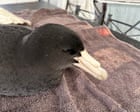
Antarctic seabirds carry H5N1 bird flu to Australian shores
The discovery of H5N1 bird flu in brown skuas and giant petrels along Western Australia's southern coastline represents a significant development in tracking the spread of avian influenza across the Southern Hemisphere. Scientists had anticipated that H5N1 would more likely arrive via Australia's northern regions, yet the unexpected appearance of these Antarctic seabirds carrying the virus underscores the complex pathways through which disease can travel across vast oceanic distances.
Brown skuas and giant petrels typically inhabit open ocean environments and rarely make landfall in populated areas. Their presence on WA beaches, coupled with visible signs of illness, prompted immediate concern among wildlife experts and health authorities. The fact that multiple birds were discovered sick across separate locations along the coastline strengthened evidence that H5N1 had reached Australia through an Antarctic transmission route that scientists had not prioritized in their initial risk assessments.
Understanding the significance of the Antarctic strain
The arrival of H5N1 from Antarctica carries particular importance for Australian biosecurity and wildlife management. Unlike the northern transmission pathways that epidemiologists typically monitor, the Antarctic route involves a completely different set of seabird species and migration patterns. Brown skuas and giant petrels migrate seasonally between Antarctic breeding grounds and southern Australian waters, providing a biological bridge for disease transmission.
Experts had acknowledged that while transmission from the Antarctic region was theoretically possible, they had focused surveillance efforts on northern pathways. The emergence of H5N1 in Antarctic seabirds on WA beaches fundamentally shifts understanding of how the virus spreads through avian populations across different hemispheric regions. This discovery necessitates expanded monitoring protocols and revised risk assessments for coastal wildlife surveillance in southern Australia.
Implications for Australian wildlife and biosecurity
The detection of H5N1 in these particular seabird species raises concerns about potential transmission to other native bird populations. Brown skuas and giant petrels, while solitary ocean dwellers, can interact with coastal bird communities during their brief landfalls. Any virus they carry poses a transmission risk to vulnerable species, particularly endangered or endemic Australian birds that lack immunity to H5N1.
Western Australia's southern coastline encompasses ecologically sensitive regions where multiple seabird species congregate. The presence of sick birds in these areas necessitates rapid response protocols to prevent broader dissemination among local wildlife populations. Health authorities and environmental agencies implemented monitoring programs to assess the extent of H5N1 presence in other bird populations along the affected coastal regions.
Rethinking disease surveillance strategies
The unexpected arrival of H5N1 through Antarctic seabirds demonstrates the limitations of predictive disease modeling when dealing with wildlife pathogens. Scientists had concentrated resources on monitoring northern routes, assuming these posed the greatest risk to Australia. However, the actual disease pathway revealed the importance of maintaining comprehensive surveillance across all potential entry points, regardless of perceived probability.
This incident prompted wildlife authorities to expand monitoring initiatives to include regular testing of seabird populations in southern Australian waters. Particularly, surveillance efforts increased focus on brown skuas, giant petrels, and other migratory species that regularly travel between Antarctic and Australian territories. Enhanced coordination between maritime monitoring programs and terrestrial wildlife surveys ensured no potential H5N1 cases would go undetected.
Coastal response and containment measures
Upon discovery of the sick birds in Western Australia, health officials and environmental protection agencies activated established response protocols. The affected beaches were assessed for other potentially infected wildlife, and dead bird recovery operations were implemented to collect specimens for laboratory analysis. Results confirmed H5N1 presence, validating concerns about Antarctic transmission pathways.
Authorities communicated health advisories to coastal communities, urging residents to avoid contact with sick or dead seabirds and to report observations of unusual bird behavior or mortality events. These precautionary measures aimed to prevent incidental human exposure to H5N1 while limiting opportunities for the virus to spread through handling of contaminated materials.
Broader implications for pandemic preparedness
The H5N1 detection in Antarctic seabirds on WA shores contributed valuable data to global understanding of avian influenza transmission patterns. International health organizations recognized that disease modeling must account for multiple potential pathways, including those considered less probable. Australia's experience with the Antarctic H5N1 strain informed recommendations for pandemic preparedness in other Southern Hemisphere nations.
Continued monitoring of brown skuas, giant petrels, and other Antarctic seabird populations remains essential for early detection of any additional H5N1 cases and assessment of virus persistence in Southern Ocean ecosystems. These surveillance efforts ensure Australia maintains robust defenses against emerging infectious diseases while protecting native wildlife and public health.