
Greens Push Polanski on Zionism Policy Stance
Green Party leader Zack Polanski faces pressure to address controversial motion declaring 'Zionism is racism' ahead of October conference debate.
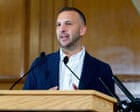
Green Party Leadership Under Pressure Over Zionism Motion
The Green Party is intensifying calls for leader Zack Polanski to publicly articulate his position regarding a controversial motion that would establish party policy declaring "Zionism is racism." This developing situation within the party has sparked significant debate about potential consequences for Jewish party members and supporters who may feel alienated by such a declaration.
Polanski, who currently serves as the elected leader of the Greens in England and Wales, has notably remained silent on this contentious issue despite growing internal pressure. The motion in question emerged as the top priority from recent members' voting on policy proposals scheduled for discussion, making its appearance at the upcoming party gathering virtually inevitable.
Conference Debate Expected in October
The party conference is slated to take place in Brighton during the first week of October, providing a significant platform for this divisive discussion. Having secured the leading position in the member vote for policy motions, the Zionism measure is now poised to dominate proceedings and generate substantial internal party discourse.
Sources within the Green Party suggest that multiple party members and officials are concerned about the broader implications of adopting such a policy. The lack of public commentary from Polanski has intensified speculation about his personal views and strategic approach to managing this sensitive matter. As the party leader, his position carries considerable weight in shaping both internal party dynamics and public perception of the Greens' stance on Middle Eastern politics and identity issues.
Concerns About Jewish Community Response
Apprehensions regarding the potential impact on Jewish supporters represent a central concern influencing the pressure on Polanski. Party insiders acknowledge that passing such a policy could fundamentally alter relationships with Jewish members and voters who might interpret the motion as delegitimizing Israeli identity and nationalism.
The motion's framing presents a complex political and philosophical question about distinguishing between criticism of Israeli government policies and broader statements regarding the legitimacy of Zionism as a political ideology. This nuance has become increasingly important within progressive political movements that seek to balance solidarity with Palestinian causes while maintaining inclusive environments for all community members.
Party Leadership's Delicate Position
Polanski's silence on this matter reflects the extraordinarily delicate balancing act party leadership must navigate. Taking a clear position either supporting or opposing the motion risks alienating significant portions of the Green Party's diverse membership base. The decision to remain publicly uncommitted may be strategic, allowing time for internal discussions and assessments of member sentiment before the conference debate.
Nonetheless, the expectation that a party leader should articulate clear positions on major policy proposals continues to mount. Democratic party structures typically require leadership to engage substantively with significant motions, particularly those addressing contentious identity and geopolitical issues that intersect with social justice frameworks central to Green Party values.
Broader Context and Political Implications
This controversy reflects ongoing tensions within progressive politics internationally regarding how to address the Israeli-Palestinian conflict while maintaining diverse, inclusive party structures. The Green Party's handling of this motion will likely influence how other progressive organizations approach similar debates and establish internal norms for discussing these complex geopolitical questions.
The timing of this motion's emergence and selection through democratic member voting demonstrates the grassroots nature of party policy development. However, it also highlights the challenges that arise when deeply divisive topics reach the point of formal conference debate without clear leadership guidance on potential consequences and interpretative frameworks.
As October approaches, attention will intensify on whether Polanski will break his public silence and articulate a leadership perspective on the proposed policy declaring "Zionism is racism." His eventual statement, or continued silence, will carry significant implications for party unity and the Green Party's positioning on Middle Eastern politics and identity-related issues within the broader progressive political landscape.