
Goodwin Explores Sale of Defence Division Assets
Goodwin considers divesting part of its defence business, a key supplier of components to UK and US frigate and submarine programmes.
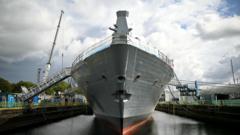
Goodwin Considers Strategic Divestment of Defence Business Unit
Goodwin, a prominent defence components manufacturer, is evaluating options for a potential disposal of its defence business division. The company's consideration of this strategic move reflects broader market dynamics within the defence and aerospace sector, where major suppliers frequently reassess their portfolio composition to optimize operational efficiency and shareholder value.
As a key supplier of components to UK and US frigate and submarine programmes, Goodwin has established itself as a critical partner within the transatlantic defence supply chain. The firm's involvement in these high-profile naval programmes underscores its technical capabilities and reliability in delivering precision-engineered components that meet stringent military specifications and operational requirements.
Strategic Significance in Naval Defence Programs
The defence business division represents a substantial portion of Goodwin's operations, particularly given its role in supplying components for advanced frigate platforms and nuclear submarine programmes operated by both British and American naval forces. These programmes are among the most significant military procurement initiatives undertaken by NATO allies, requiring suppliers to maintain the highest standards of quality, security clearance, and manufacturing excellence.
Goodwin's involvement in UK and US frigate development demonstrates the company's position within the upper echelon of defence contractors. The frigate programmes, which involve billions of pounds in investment across multiple vessels, demand components that can withstand extreme operational conditions while maintaining absolute reliability. Similarly, the submarine programmes represent some of the most technologically advanced military projects, requiring suppliers with deep expertise in materials science, precision engineering, and defence industry protocols.
Implications of the Proposed Sale
Should Goodwin proceed with divesting its defence business, the transaction would reshape the competitive landscape within the defence supply chain. Potential acquirers might include larger integrated defence contractors seeking to expand their component manufacturing capabilities, private equity firms attracted to the stable revenue streams characteristic of long-term defence contracts, or strategic buyers from allied nations looking to strengthen domestic defence industrial capacity.
The decision to explore selling part of the defence business may reflect several strategic considerations. These could include the desire to focus resources on higher-margin business segments, capital requirements for other operational areas, or shifts in portfolio strategy aligned with evolving corporate objectives. Defence industry transactions of this scale typically involve complex negotiations addressing intellectual property, security clearances, customer contracts, and regulatory approvals across multiple jurisdictions.
Defence Supply Chain Stability
The UK and US governments maintain robust oversight of defence supply chains, particularly for critical components used in frigate and submarine programmes. Any change in ownership or control of Goodwin's defence business would require thorough vetting by defence security authorities in both nations. These regulatory frameworks ensure that sensitive military technology and manufacturing capabilities remain under appropriate stewardship and that supply chain continuity is maintained.
Goodwin's status as a supplier to these prestigious naval programmes reflects years of successful performance and demonstrated capability. The company has built relationships with prime contractors and government agencies based on consistent delivery, technical excellence, and adherence to defence industry standards. These established relationships represent significant value in any potential transaction.
Market Context and Industry Trends
The defence industry continues to experience consolidation as companies seek scale, technical capabilities, and cost efficiencies. Strategic divestitures often precede acquisitions, allowing companies to streamline operations and focus on core competencies. Within the context of UK and US defence spending priorities, which emphasize naval modernization and undersea capabilities, suppliers like Goodwin occupy strategically important positions within the industrial ecosystem.
The global defence components market remains robust, driven by sustained government investment in military modernization programmes. For Goodwin, the decision to explore selling its defence business represents a significant strategic inflection point that will shape the company's future trajectory and competitive positioning.