
Glacier Collapse Triggered Catastrophic Nepal-Tibet Floods
Scientists confirm glacier collapse caused devastating Nepal-Tibet floods, highlighting rapid Himalayan ice melting and climate change impacts on mountain regio...
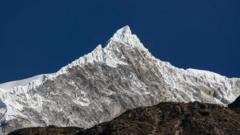
Glacier Collapse Identified as Primary Cause of Nepal-Tibet Floods
A glacier collapse in the Himalayan region has been identified as the likely trigger behind the devastating floods that affected Nepal and Tibet, according to preliminary scientific investigations. The glacier collapse Nepal Tibet floods represent a stark warning about the accelerating environmental transformation occurring across high-altitude mountain systems. Researchers conducting field studies have gathered compelling evidence suggesting that the structural failure of this ice formation released massive volumes of water, leading to catastrophic downstream flooding that impacted thousands of residents across both regions.
Scientific Evidence and Investigation Findings
The preliminary investigations undertaken by international scientific teams have produced substantial documentation supporting the glacier collapse hypothesis. Satellite imagery, geological surveys, and water flow analysis have collectively pointed toward the collapsed glacier as the primary causative factor. The evidence indicates that rapidly destabilizing ice formations in the Himalayan range released unprecedented quantities of water in a short timeframe, creating the destructive flood conditions experienced downstream.
Himalayan Ice Melting and Environmental Context
The broader context of Himalayan ice melting cannot be overlooked when examining this disaster. Scientists emphasize that this incident exemplifies the larger crisis of rapidly melting Himalayan ice across the region. Long-term monitoring data demonstrates consistent reduction in glacier mass throughout the Himalayan mountain range, a phenomenon directly linked to shifting climate patterns and rising global temperatures. The accelerated melting process has destabilized previously stable ice formations, creating dangerous conditions for communities residing in valleys and lower elevations.
Impact and Regional Consequences
The flooding caused by the glacier collapse resulted in significant destruction across both Nepal and Tibet. Communities along river valleys experienced severe flooding that damaged infrastructure, agricultural land, and residential areas. The disaster displaced numerous families and disrupted regional transportation networks, highlighting the vulnerability of mountain populations to geological hazards triggered by climate-driven processes. Local authorities reported widespread damage to bridges, roads, and water management systems throughout the affected zones.
Climate Change Connection
Researchers stress the direct connection between accelerating glacier collapse and broader climate change patterns. The Himalayan region serves as a critical indicator of global warming impacts, with glaciers retreating at unprecedented rates. Temperature increases have fundamentally altered the stability of ice masses that have remained relatively static for centuries. This transformation from stable frozen structures to unstable, rapidly melting systems represents one of the most visible manifestations of climate change in Asia.
Scientific Monitoring and Future Implications
Moving forward, scientists are intensifying monitoring efforts across vulnerable glacier systems in the Himalayas. Advanced technology including satellite surveillance, seismic monitoring, and thermal imaging enables researchers to identify potentially dangerous formations before catastrophic failure occurs. However, the scale of ice loss across the region suggests that similar events may occur with increased frequency unless global emissions reduction efforts prove effective. The investigation into this specific glacier collapse will provide valuable insights for developing early warning systems and disaster preparedness protocols for communities living downstream from unstable ice formations.
Regional Cooperation and Response
The Nepal-Tibet flooding incident has prompted increased dialogue between regional governments regarding coordinated disaster response and climate adaptation strategies. Scientists and policymakers recognize that transboundary water management and glacier monitoring require international cooperation given the shared geography of the Himalayan mountain system. Joint research initiatives and data-sharing agreements have been proposed to enhance predictive capabilities and emergency response coordination across affected nations.