
Girls Combat School Misogyny Through Documentary Film Project
Teenage girls create a powerful documentary exposing misogyny and 'rape lists' in schools, prompting curriculum changes and raising awareness about student safe...
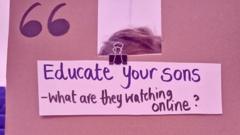
Young Women Document Experiences With School Misogyny
A collective of adolescent students has undertaken an ambitious documentary initiative to shed light on the pervasive issue of school misogyny that affects their daily educational environment. The film project centers on addressing deeply troubling practices including the creation and circulation of degrading 'rape lists' among student populations, bringing urgent attention to a phenomenon that has remained largely undiscussed in formal educational settings.
This student-led effort represents a significant moment for institutional accountability and awareness. By channeling their experiences into visual storytelling, these young women are not only documenting their lived realities but also catalyzing important conversations about the behavioral and cultural shifts required within educational institutions.
Understanding the Scope of School Misogyny
School misogyny manifests in numerous ways that extend far beyond singular incidents. The documentary explores how discriminatory attitudes, objectification, and harassment create a hostile learning environment that disproportionately impacts girls and young women. These behaviors often go unchallenged due to normalization within peer groups and insufficient institutional oversight.
The 'rape lists' phenomenon represents one of the most alarming manifestations of this cultural problem. These lists, typically circulated digitally among male students, rank female classmates based on sexual attractiveness or desirability, reducing girls to objects while simultaneously creating environments of fear and humiliation. The psychological impact on targeted students can be profound and long-lasting, affecting academic performance, mental health, and sense of safety at school.
Documentary Project: Voices and Testimonies
The filmmaking process has allowed participating teenagers to articulate their experiences in their own voices, lending authenticity and emotional weight to their testimonies. Rather than having their stories filtered through adult interpretations, these young women directly address the camera and audiences, creating an intimate and compelling narrative that is difficult to dismiss or minimize.
Participants discuss how school misogyny permeates various aspects of their educational experience, from classroom dynamics to social interactions and extracurricular activities. They detail how such behavior affects academic confidence, career aspirations, and overall wellbeing. By naming these issues publicly through their documentary, they are challenging the culture of silence that has historically surrounded such topics.
Curriculum Changes and Institutional Response
The timing of this documentary initiative coincides with significant reforms to educational curriculum standards. School administrators and policymakers are increasingly recognizing that formal education must address not only academic subjects but also foster environments of respect, equality, and safety for all students.
Curriculum modifications being implemented include mandatory modules addressing gender equality, consent education, and digital citizenship. These changes acknowledge that young people require explicit instruction about healthy relationships, respect for boundaries, and the consequences of misogynistic behavior. By integrating such content into formal schooling, institutions are taking proactive measures to prevent harmful conduct before it takes root.
The Role of Media and Awareness Campaigns
Documentary films serve as powerful tools for social change. When students themselves become producers and directors of content addressing school misogyny, they amplify their message through a medium that transcends traditional complaint mechanisms. The documentary format allows for nuance, context, and emotional resonance that often surpasses written reports or statistical data.
Media coverage of this student initiative has already begun influencing public discourse. Parents, educators, policymakers, and community members are being confronted with the reality of what adolescents experience daily. This heightened awareness creates pressure for sustained institutional change rather than temporary responses or minimal adjustments to policies.
Supporting Student Wellbeing and Safety
Creating meaningful change requires comprehensive approaches that extend beyond curriculum additions. Schools must establish clear reporting mechanisms, ensure consequences for harmful behavior, provide counseling resources for affected students, and foster cultures where speaking up is encouraged rather than discouraged.
The documentary project demonstrates that students themselves are valuable partners in creating safer educational environments. When young people are given platforms to articulate their concerns and contribute to solutions, they often identify issues and propose interventions that adults might overlook. Their participation in reform efforts also increases the likelihood that implemented changes will resonate with peer populations.
Looking Forward: Systemic Change
This documentary represents not an endpoint but rather a beginning of broader institutional and cultural transformation. The conversations initiated by this student-led film will likely continue reverberating through schools, families, and communities for years to come. As more young people feel empowered to challenge school misogyny, educational environments gradually shift toward greater inclusivity and safety.
The initiative underscores an essential truth: that students possess agency and voice in shaping their educational experiences. By refusing to silently endure or normalize harmful behaviors, these young women are modeling the kind of active citizenship and social responsibility that extends far beyond school walls. Their documentary stands as both witness and catalyst for necessary change.