
Germany Reconsiders Coal Power Amid Rising Natural Gas Costs
Germany may revive coal-powered electricity plans due to soaring natural gas prices. Discover why the country is reconsidering its energy transition strategy.
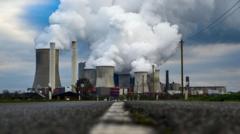
Germany's Potential Return to Coal Energy
Germany is facing a critical energy crossroads as coal-powered electricity emerges as a potential solution to the nation's escalating power challenges. The surge in natural gas prices has prompted policymakers to reassess previous commitments to phase out coal, marking a significant shift in the country's long-term energy strategy.
For years, Germany committed to abandoning coal as part of its ambitious transition toward renewable and sustainable energy sources. However, the dramatic increase in natural gas costs has created an unexpected dilemma, forcing government officials and energy experts to reconsider the viability of coal-powered electricity as a transitional measure during this critical period.
The Impact of Natural Gas Price Increases
The surge in natural gas prices represents one of the most pressing challenges facing European energy markets. Multiple factors have contributed to this unprecedented cost increase, including geopolitical tensions, supply chain disruptions, and heightened global demand for energy resources. These market pressures have made natural gas an increasingly expensive option for Germany's power generation needs.
Utility companies and industrial operators throughout Germany have reported substantial increases in operational costs directly linked to natural gas consumption. The financial burden has become so significant that energy producers are exploring alternative fuel sources, with coal-powered electricity gaining renewed attention as a more economically viable option in the short to medium term.
Germany's Historical Energy Transition Goals
Germany's commitment to phasing out coal represented one of Europe's most ambitious environmental pledges. The nation set aggressive targets for renewable energy adoption and planned a complete transition away from fossil fuels by mid-century. These objectives aligned with broader European Union climate initiatives and Germany's leadership role in promoting sustainable energy practices across the continent.
The original timeline for coal phase-out included the gradual decommissioning of existing power plants and the redirection of investments toward wind, solar, and other renewable technologies. Government subsidies and regulatory frameworks were established to accelerate this transition and position Germany as a global leader in clean energy innovation.
Economic Pressures Reshaping Energy Policy
Current economic realities have introduced significant complications to Germany's predetermined energy roadmap. The unexpected volatility in natural gas markets has created a situation where coal-powered electricity appears economically rational, despite environmental concerns. Decision-makers must balance immediate energy security and economic stability against long-term sustainability objectives.
Industrial competitiveness has emerged as a critical consideration in these policy discussions. Manufacturing sectors dependent on affordable, reliable electricity supplies face potential relocation to regions with lower energy costs. Policymakers acknowledge that maintaining industrial viability may require short-term adjustments to energy strategies, potentially including extended reliance on coal-powered electricity.
Environmental and Political Considerations
The prospect of increased coal-powered electricity generation conflicts with Germany's environmental commitments and public expectations. Environmental organizations and climate advocates have expressed concerns about any policy that appears to undermine climate goals or delayed fossil fuel phase-out timelines. Political parties across the spectrum face pressure from constituents who prioritize both energy affordability and environmental protection.
Despite these tensions, pragmatic energy experts acknowledge that temporary reliance on coal-powered electricity may be necessary to bridge the gap between current supply challenges and future renewable energy capacity. This perspective emphasizes that strategic, time-limited use of coal differs fundamentally from abandoning clean energy commitments entirely.
Future Energy Solutions and Strategic Planning
Germany's energy future likely depends on accelerating renewable energy development while managing near-term supply challenges strategically. Investments in wind and solar capacity continue, alongside infrastructure improvements for energy storage and grid modernization. These initiatives aim to create conditions where coal-powered electricity becomes unnecessary relatively quickly.
Policymakers are also exploring liquefied natural gas alternatives and expanded interconnections with neighboring countries to diversify energy sources and reduce vulnerability to price fluctuations. These comprehensive approaches suggest that coal-powered electricity reconsideration represents a temporary adjustment rather than fundamental policy reversal.
Conclusion
Germany's evaluation of coal-powered electricity demonstrates the complex challenges modern economies face when balancing sustainability goals with immediate practical needs. Rising natural gas prices have created unprecedented circumstances requiring difficult decisions about energy priorities and timelines. The resolution of this energy dilemma will likely shape European energy policy for years to come.