
Fuel Theft Surge: £200k Daily Losses Hit UK Forecourts Since Iran Conflict
UK forecourts lose nearly £200,000 daily to fuel theft since Iran tensions escalated. Drive-off incidents up 20% in five months, industry data reveals.
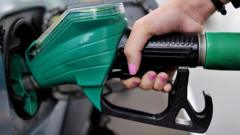
Unprecedented Fuel Theft Crisis Affecting UK Forecourts
The United Kingdom faces a significant escalation in fuel theft UK forecourts, with losses reaching approximately £200,000 per day since geopolitical tensions in the Middle East intensified. Industry analysis reveals a troubling pattern of unauthorized fuel removal that has placed considerable financial strain on service station operators nationwide.
Dramatic Increase in Drive-Off Incidents
Data compiled by sector analysts demonstrates that incidents involving customers departing without payment have experienced a substantial surge of 20 percent over a five-month period. This marked increase in drive-off incidents represents one of the most significant challenges facing the UK fuel retail sector in recent years.
Contributing Factors to Rising Theft Rates
The correlation between geopolitical instability and elevated fuel theft suggests multiple contributing elements. Rising fuel prices, often triggered by international tensions and supply chain disruptions, have coincided directly with the uptick in unauthorized fuel removal incidents across UK forecourts.
Impact on Fuel Retail Industry
Petrol station operators report that the daily losses constitute a substantial operational burden. Small independent forecourts face particular vulnerability, as the cumulative effect of repeated theft incidents directly impacts profitability and sustainability. The £200,000 daily figure represents real economic damage to businesses operating within tight margin environments.
Financial Implications for Consumers and Operators
While fuel theft UK forecourts may appear beneficial to individuals engaging in the practice, the broader economic consequences prove detrimental. Retailers compensate for losses through price adjustments, potentially affecting consumer fuel costs across the market. Industry participants warn that unchecked theft could force closure of marginal locations, reducing fuel availability in rural and underserved communities.
Security Measures and Prevention Strategies
Forecourt operators have implemented enhanced security protocols to combat the escalating trend. These measures include upgraded surveillance systems, real-time monitoring technology, and improved staff training protocols. Many establishments now require prepayment verification before fuel dispensing, fundamentally altering transaction procedures at affected locations.
Technology-Driven Solutions
Advanced identification systems and automatic payment verification mechanisms represent technological responses to the crisis. Forecourt networks increasingly deploy sophisticated analytics to identify suspicious patterns and high-risk transactions.
Industry Collaboration and Response
Trade associations representing UK fuel retailers have escalated communication with law enforcement agencies regarding drive-off incidents. Coordinated reporting mechanisms enable better tracking of persistent offenders and organized theft networks. Police resources, however, remain stretched, complicating enforcement efforts across numerous locations.
Government Engagement
The situation has prompted discussions between industry representatives and relevant government bodies. Stakeholders advocate for increased criminal justice resources targeting fuel theft and enhanced coordination between local authorities and enforcement agencies.
Broader Economic Context
The £200,000 daily loss figure must be understood within the context of existing industry pressures. Supply chain disruptions, energy market volatility, and staffing challenges compound operational difficulties faced by fuel retailers. The theft epidemic adds another layer of financial stress to an already strained sector.
Connection to Geopolitical Events
Security analysts note that fuel theft trends often correlate with international tensions affecting energy markets. Iran-related geopolitical developments have historically triggered commodity price fluctuations that subsequently influence consumer behavior, including participation in theft activities.
Looking Forward: Challenges and Solutions
Addressing fuel theft UK forecourts requires multifaceted approaches combining technology, enforcement, and community engagement. Industry experts emphasize that sustainable solutions demand cooperation among retailers, law enforcement, and policymakers. The 20 percent increase in incidents over five months suggests the problem demands urgent, coordinated action to prevent further deterioration.
As fuel prices remain subject to international market pressures and geopolitical developments, forecourt operators anticipate continued challenges. Proactive security investments and systemic improvements represent essential steps toward stabilizing the retail fuel environment and protecting legitimate business operations across the United Kingdom.