
Former Iran Leader's Funeral: BBC Correspondent Reports on Emotional Ceremonies in Tehran
BBC's chief correspondent covers the funeral proceedings for Iran's former supreme leader in Tehran, examining the intersection of emotion and political signifi...
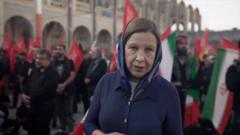
BBC Correspondent Provides Analysis from Tehran's Historic Funeral Events
The Iran supreme leader funeral has become a focal point for international media attention as major ceremonies unfold in the nation's capital. BBC's chief international correspondent has traveled to Tehran to provide comprehensive coverage of the significant events honoring Iran's former supreme leader, capturing both the emotional atmosphere and the broader political implications of the gathering.
The funeral proceedings represent a pivotal moment in Iranian politics and social life, drawing crowds from across the country to pay respects to the influential religious figure who shaped the nation's trajectory for decades. The correspondent's reporting sheds light on how personal grief intersects with state ceremonies and national importance in the Islamic Republic.
Emotional Dimensions of State Ceremonies
One of the most striking aspects documented by the BBC's chief correspondent involves the raw emotional displays observed throughout Tehran's funeral events. Attendees have demonstrated profound grief, with scenes revealing the deep personal connection many Iranians felt toward their former supreme leader. These emotional expressions extend beyond typical ceremonial behavior, reflecting genuine sorrow across various segments of the population.
The Iran supreme leader funeral serves as a window into how individuals process loss within the context of state-sanctioned events. The correspondent's observations highlight moments where private emotion becomes interwoven with public expression, creating a complex tapestry of personal and collective mourning.
Political Significance of the Proceedings
Beyond the emotional elements, the funeral ceremonies carry substantial political weight for Iran's leadership structure and international standing. The BBC correspondent examines how such state events function as vehicles for demonstrating national unity and continuity of power. The proceedings in Tehran reflect broader questions about succession, authority, and the future direction of Iranian governance.
Political analysts note that funeral events of this magnitude often reveal underlying tensions and alliances within government structures. The correspondent's reporting captures not only the ceremonial aspects but also the subtle political messaging embedded within the proceedings, providing viewers with context for understanding Iran's internal dynamics.
International Perspective on Iran's Leadership Transition
The BBC's coverage of the Iran supreme leader funeral extends the story beyond national boundaries, offering global audiences insight into a significant moment in Middle Eastern politics. The correspondent's international perspective allows viewers to understand how Iran's leadership transition resonates with diplomatic, security, and regional concerns affecting multiple nations.
Tehran's funeral ceremonies draw international observers and media representatives, each analyzing the events through their own geopolitical lens. The BBC correspondent provides balanced reporting that acknowledges both the internal significance for Iranians and the broader implications for international relations in the region.
Documentation of Public Response
The correspondent's reporting from Tehran emphasizes the scale of public participation in the Iran supreme leader funeral events. The turnout and organization of ceremonies demonstrate the logistical complexities involved in managing state funerals of this magnitude. Documentation includes observations about crowd movements, security arrangements, and the coordination required to honor the former leader while maintaining public order.
Eyewitness accounts captured by the BBC correspondent reveal how ordinary Iranians view their former supreme leader's legacy and what his passing means for the nation's future. These personal narratives enrich the broader news story, providing human context to what might otherwise remain an abstract political event.
Media Role in Covering Significant Moments
The BBC's chief international correspondent brings years of experience covering complex political and social events, offering expertise in interpreting the significance of Tehran's funeral proceedings. Professional journalism of this caliber involves distinguishing between ceremonial theater and genuine political implications, helping audiences understand which aspects represent continuity and which might signal change.
The coverage demonstrates how major international news organizations serve as bridges between cultures and political systems, translating events from Iran's context into forms comprehensible to diverse global audiences. The correspondent's reporting contributes to informed public understanding of international affairs during significant moments of transition and change.