
Ford Brings Back Human Engineers as AI Quality Checks Fall Short
Ford rehires experienced engineers after AI systems fail to meet quality standards. Discover why human expertise remains essential in automotive manufacturing.
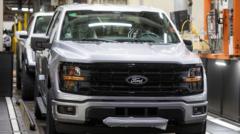
Ford Rehires Human Engineers After AI Quality Systems Underperform
Ford has made a significant strategic decision to rehire human engineers following the discovery that Ford AI quality checks failed to achieve the same precision and reliability that experienced technicians consistently deliver. This reversal highlights the ongoing importance of human expertise in modern automotive manufacturing, even as companies invest heavily in automation and artificial intelligence technologies.
The automotive industry has witnessed an accelerating trend toward implementing automated systems and machine learning algorithms across production lines. However, Ford's experience demonstrates that these technological advances, while beneficial in many applications, sometimes fall short of the established benchmarks set by decades of human expertise. The company recognized that its investment in AI-driven quality control systems could not replicate the nuanced judgment and experience that veteran engineers bring to manufacturing environments.
The Challenge of Matching Human Expertise with Artificial Intelligence
The core issue Ford encountered centers on the inherent limitations of current AI limitations in manufacturing. While artificial intelligence excels at processing large datasets and identifying statistical patterns, it struggles with contextual decision-making that requires understanding subtle variations in materials, assembly processes, and potential defects that might not appear in training datasets.
Veteran technicians possess years of accumulated knowledge about vehicle assembly, material properties, and quality standards. These professionals can identify potential issues before they become critical problems, often relying on experience-based intuition that proves difficult to encode into algorithms. The sensory perception required for comprehensive quality assessment—including visual inspection, auditory cues, and tactile feedback—remains challenging for current AI systems to replicate effectively.
Why Human Engineers Remain Essential
Ford's decision to bring back human engineers underscores a fundamental reality about automotive quality control. Sophisticated vehicles contain thousands of components that must work together seamlessly. Quality assurance requires not just identifying defects, but understanding how those defects might affect overall vehicle performance and safety.
Experienced engineers bring comprehensive understanding of how different manufacturing variables interact. They recognize warning signs that indicate a process drift before significant quality degradation occurs. This predictive capability, developed through years of hands-on experience, provides invaluable protection for both the company and consumers.
The Business Case for Hybrid Manufacturing Approaches
Rather than viewing this decision as a setback for automation, Ford's approach reflects a more nuanced understanding of how technology and human expertise can work together effectively. Vehicle quality assurance in modern manufacturing increasingly depends on combining automated systems with human oversight rather than replacing human judgment entirely.
Automation continues to offer significant advantages in repetitive tasks, dangerous environments, and large-scale data processing. However, the most effective manufacturing strategies leverage technology to handle routine inspections while reserving human expertise for complex decisions, anomaly detection, and problem-solving.
Industry Implications and Future Trends
Ford's experience resonates throughout the automotive sector as other manufacturers grapple with similar challenges. The push toward Industry 4.0 and smart manufacturing has created expectations that artificial intelligence would dramatically reduce reliance on skilled human workers. Ford's experience suggests a more balanced trajectory may emerge.
The reinstatement of human engineers signals recognition that quality-critical industries cannot afford to abandon the expertise developed over generations. As vehicles become more complex with advanced electronic systems, hybrid powertrains, and autonomous features, the need for sophisticated quality assessment actually increases rather than decreases.
Investment in Workforce Development
By rehiring experienced engineers, Ford demonstrates commitment to maintaining institutional knowledge and expertise. The automotive sector faces a skilled workforce challenge as experienced technicians approach retirement. Investing in retaining and attracting talented engineers becomes strategically important for maintaining competitive advantage.
The company's decision also sends a message about the value placed on human workers in an increasingly automated world. Employees see that their specialized knowledge and experience remain valued and essential, potentially supporting recruitment and retention efforts for engineering talent.
Looking Forward: Technology and Human Partnership
Ford's experience provides valuable lessons for manufacturers across industries. While artificial intelligence and automation represent powerful tools for improving efficiency and consistency, they function most effectively as complements to human expertise rather than replacements for it. The future of manufacturing likely involves sophisticated partnerships between advanced technology and skilled human professionals.
The automotive manufacturer's decision to rehire human engineers reflects pragmatic recognition that quality assurance in complex manufacturing environments requires both technological capability and human judgment. This balanced approach acknowledges that some aspects of production oversight cannot be fully automated without sacrificing the standards consumers expect and deserve.