
Food Purchase Tracking: Benefits and Risks to Your Health
Discover how food purchase tracking impacts your diet and health. Explore the benefits and potential risks of monitoring what you buy for better nutrition.
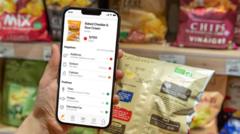
Understanding Food Purchase Tracking and Its Health Impact
Food purchase tracking has become increasingly popular among health-conscious consumers seeking to improve their dietary choices. This practice involves monitoring and recording items bought at grocery stores and markets, often through specialized applications or traditional journaling methods. While food purchase tracking offers promising advantages for those committed to better nutrition, experts suggest the approach comes with both significant benefits and notable challenges worth understanding.
The concept of food purchase tracking extends beyond simple calorie counting. When individuals engage in food purchase tracking, they develop greater awareness of their shopping habits, spending patterns, and overall food choices. This heightened consciousness can lead to more intentional purchasing decisions that align with personal health objectives. Many nutritionists support this approach, noting that what we buy directly determines what we eat.
The Positive Effects of Monitoring Your Food Purchases
Research demonstrates that individuals who practice consistent food purchase tracking tend to make progressively better dietary decisions. By maintaining records of items purchased, consumers become acutely aware of unhealthy patterns in their buying behavior. This awareness often triggers behavioral modification without requiring extreme dietary restrictions.
One significant advantage involves budget consciousness combined with health benefits. Food purchase tracking helps consumers identify overspending on processed items while simultaneously highlighting opportunities to purchase more whole foods and nutritious alternatives. This dual benefit makes the practice appealing for those seeking both financial and health improvements.
Digital applications designed for food purchase tracking provide real-time feedback and personalized recommendations. These platforms analyze purchasing patterns and suggest healthier alternatives that match individual preferences and dietary goals. Users report increased motivation when applications provide encouraging messages and track progress toward health objectives.
Challenges and Limitations of Food Purchase Tracking
Despite its benefits, food purchase tracking presents several practical challenges. One major limitation involves the time investment required to consistently log purchases. Many users struggle with maintaining detailed records, leading to abandoned tracking efforts after initial enthusiasm fades.
Additionally, food purchase tracking doesn't address impulse purchases or eating decisions made outside the home. Meals prepared at restaurants, foods eaten at friends' houses, and spontaneous snacks fall outside the tracked purchases, creating incomplete dietary pictures. This gap can give false impressions about overall eating patterns.
Another concern involves the psychological impact of constant monitoring. Some individuals experience anxiety or obsessive behaviors when engaging in meticulous food purchase tracking. For people with eating disorder histories, this practice may prove counterproductive and trigger unhealthy psychological responses.
Expert Recommendations for Effective Food Purchase Tracking
Nutritionists recommend combining food purchase tracking with other healthy lifestyle practices rather than relying on it exclusively. A balanced approach incorporates tracking with mindful eating, regular physical activity, and adequate sleep. This comprehensive strategy produces more sustainable results than tracking alone.
Experts suggest using technology wisely when implementing food purchase tracking. Modern applications should serve as supportive tools rather than sources of obsession. Users benefit most when they focus on general patterns rather than obsessing over minor details. The goal remains improving overall health, not achieving perfection in tracking accuracy.
Setting realistic expectations proves crucial for successful food purchase tracking. Rather than attempting complete documentation of every item, individuals might benefit from tracking specific categories or focusing on particular health goals. This targeted approach feels less overwhelming and maintains long-term adherence.
Making Food Purchase Tracking Work For You
Success with food purchase tracking depends on personalizing the approach to individual circumstances and preferences. Some people thrive with detailed digital logging, while others prefer simple written notes or photograph-based tracking methods. Identifying your preferred tracking style increases likelihood of consistent practice.
The most effective food purchase tracking strategies integrate this habit into existing shopping routines without creating significant burden. Planning meals before shopping, using prepared shopping lists, and designating specific shopping times all support successful food purchase tracking. These complementary habits reinforce purchasing discipline and health-conscious decision-making.
Ultimately, food purchase tracking serves as one valuable tool among many for achieving better health outcomes. When implemented thoughtfully and combined with other wellness practices, this approach can meaningfully improve dietary quality and support long-term health objectives.