
Fire Services Overwhelmed as Residents Remain Displaced
Fire services stretched to capacity across England and Wales following major incidents. Residents displaced from homes in Stourbridge, Sandwell, and Pershore ar...
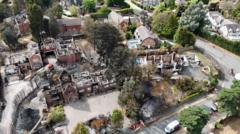
Fire Services Stretched Across England and Wales
Fire services stretched to their operational limits continue responding to widespread emergencies across England and Wales, with multiple major incidents declared in quick succession. The concurrent blazes affecting communities in Stourbridge, Sandwell, and Pershore have left emergency responders working extended shifts as demand significantly exceeds typical capacity levels. Residents across these regions face uncertain timelines for returning to their residences while firefighting operations remain ongoing.
Multiple Major Incidents Declared
Authorities have formally designated major incident status across several locations, indicating resources from multiple fire and rescue services are mobilized to manage the scale of these emergencies. The declaration protocol ensures mutual aid agreements activate, bringing firefighters from surrounding regions to support overwhelmed local teams. This coordination mechanism, while necessary, underscores the severity of simultaneous emergencies unfolding across the region.
Stourbridge, Sandwell, and Pershore Affected
The three geographical areas experiencing the most significant fire events represent a dispersed crisis requiring substantial resource distribution. Stourbridge and Sandwell, both located in the West Midlands conurbation, face intense firefighting efforts alongside evacuation coordination. Pershore, situated in Worcestershire, represents another critical site demanding immediate attention from regional emergency services. The geographical spread of these incidents complicates resource allocation and emergency response coordination.
Impact on Displaced Residents
Hundreds of residents remain unable to access their homes as fire services stretched thin continue active firefighting and investigation operations. Evacuation centers operate at capacity, providing temporary shelter for those displaced by the emergencies. Authorities have issued no definitive timeline for when residents can safely return to affected neighborhoods, leaving families in a state of uncertainty regarding their housing situation and personal possessions.
Temporary Accommodation and Support Services
Local councils and emergency management agencies have mobilized support infrastructure to assist displaced families. Temporary accommodation arrangements include community halls, sports facilities, and hotels requisitioned to provide shelter for those evacuated from their homes. Support services including counseling, financial assistance, and welfare coordination complement immediate housing solutions, though the strain on these systems remains considerable given the number of affected households.
Emergency Service Response Challenges
Fire brigades operating with fire services stretched across competing emergencies face significant operational challenges. Personnel fatigue becomes a critical factor when multiple major incidents demand simultaneous response, requiring careful rotation of firefighters to maintain effectiveness and safety standards. Equipment distribution across three major fire zones tests inventory management and mutual aid protocols established between regional fire and rescue authorities.
Operational Coordination Efforts
Command centers coordinating response efforts across Stourbridge, Sandwell, and Pershore maintain continuous communication with operational units deployed throughout affected areas. Real-time assessment of fire behavior, structural stability, and evacuation completion drives decision-making at incident command posts. The complexity of managing three geographically separated major incidents simultaneously challenges even experienced emergency management personnel.
Community and Regional Response
Beyond official emergency services, community organizations, charities, and voluntary groups mobilize to support affected residents. Volunteer networks provide practical assistance including meal distribution, clothing provision, and emotional support for trauma-affected individuals. This grassroots response augments statutory services and demonstrates community resilience during periods when fire services stretched thin cannot address all welfare aspects of major emergencies.
Investigation and Future Implications
As firefighting operations continue, preliminary investigation procedures commence to determine incident causes and circumstances. The convergence of multiple major fires across different locations naturally prompts investigation into any potential common factors or cause patterns. Findings from these investigations will inform recommendations for enhanced fire prevention and emergency response protocols.
Looking Forward
Recovery and restoration timelines remain uncertain as fire services stretched across ongoing operations prioritize public safety above timeline predictions. Residents await clearance to return home, while repair and rebuilding efforts won't commence until investigations conclude and structural assessments are completed. The broader implications of these major incidents will likely prompt reviews of emergency response capacity, resource allocation strategies, and inter-agency coordination protocols within regional emergency management frameworks.