
Far-Right Protesters Stage Demonstrations at Dover and Portsmouth
Far-right activists organized disruptive protests at Dover and Portsmouth over the weekend, targeting asylum seekers arriving via small boats from France.
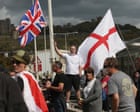
Far-Right Protesters Converge on Coastal Towns
Far-right protesters organized coordinated demonstrations at two major UK port cities during the weekend, marking an escalation in organized disruptions targeting vulnerable migrants. The far-right protesters descended on Dover and Portsmouth simultaneously, attempting to impede the arrival of asylum seekers crossing the English Channel in small boats from France. Participants dressed predominantly in black clothing and wore face coverings including balaclavas, obscuring their identities throughout the demonstrations.
Organization and Leadership
Intelligence suggests the mobilization was coordinated by Daniel Thomas, a prominent activist better known within extremist circles as Danny Tommo. Thomas maintains established connections with well-known far-right figures, including Tommy Robinson, an individual with a documented history of extremist activism in the United Kingdom. The coordination across multiple locations indicates a degree of organizational sophistication previously associated with similar movements.
Statements and Threats from Organizers
During the demonstrations, Thomas made provocative statements to observers and media present at the scene. He declared Portsmouth to be "ground zero" for small boat crossings, emphasizing the port's strategic importance to migrant arrival operations. Beyond verbal pronouncements, Thomas has publicly threatened additional actions, suggesting this represents an ongoing campaign rather than an isolated incident. Such threats have raised concerns among security officials and advocacy organizations focused on protecting asylum seekers.
Context of Asylum Seekers' Journey
The demonstrations were specifically directed at asylum seekers arriving via perilous sea crossings from France. These vulnerable individuals undertake dangerous journeys across one of the world's busiest shipping lanes in small, overcrowded vessels. The crossings represent desperate attempts by people fleeing persecution, conflict, and humanitarian crises in their home nations, seeking protection under international refugee conventions.
Scale and Nature of Disruption
The far-right protesters' activities constituted disruptive behavior intended to intimidate and harass arriving migrants. Multiple participants gathered at both locations, creating scenes of intimidation and hostility. The coordinated nature of protests across Dover and Portsmouth suggests organizational planning and communication networks linking extremist cells across different regions of Southeast England.
Concerns from Authorities and Advocacy Groups
The demonstrations have prompted increased scrutiny from law enforcement agencies tasked with maintaining public order and protecting vulnerable populations. Advocacy organizations working with asylum seekers have expressed alarm at the escalating nature of organized far-right activity targeting migrants. These groups warn that such demonstrations can inspire violence and discrimination against already marginalized communities.
Broader Political Context
These far-right protesters' actions occur within a heated political atmosphere surrounding immigration policy in Britain. The demonstrations reflect ongoing debates about asylum procedures, small boat crossings, and border security that dominate political discourse. Various political parties and commentators have staked positions on these contentious issues, creating an environment where extremist groups attempt to amplify their messaging.
Safety Concerns and Future Implications
Security analysts have flagged concerns about potential escalation following these initial demonstrations. The threats issued by organizers suggest planning for additional actions, possibly targeting other ports or locations where asylum seekers arrive. Law enforcement agencies have increased monitoring of known extremist networks to prevent further disruptions and protect migrants from harassment and violence.
Media Coverage and Public Awareness
Political correspondent Ben Quinn provided detailed coverage of the far-right protesters' activities, interviewing key observers and analyzing the significance of these coordinated actions. His reporting illuminates the connections between various extremist figures and the organizational structures supporting such demonstrations. The coverage emphasizes the need for public understanding regarding these movements and their stated objectives targeting vulnerable migrant populations.