
EU Seeks Closest Ties with UK Following Brexit Reset Agreement
European Council President confirms EU commitment to deepest possible relationship with UK after major Brexit reset deal agreement reached today.
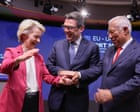
EU Commits to Deepest Relationship Through Brexit Reset Deal
The European Union has signaled its intention to establish the closest possible relationship with the United Kingdom following a major breakthrough on the Brexit reset deal. The President of the European Council made this commitment clear, emphasizing that the EU remains genuinely open to pursuing comprehensive cooperation with its former member state. This Brexit reset deal marks a significant turning point in post-separation relations, moving beyond the initial rigid stance that characterized earlier negotiations.
The agreement reached today represents months of intensive diplomatic effort from both sides, with particular focus on creating a framework that benefits both economies. Senior EU officials have expressed optimism that the Brexit reset deal will pave the way for enhanced cooperation across multiple sectors, including trade, security, and regulatory alignment.
Strategic Negotiations on Tuition Fees and Trade Leverage
Behind the scenes of the Brexit reset deal, senior diplomats have been engaged in complex chess-like maneuvering over how to structure various agreements. According to informed sources, the EU has strategically deferred negotiations on tuition fees for EU citizens for another six months. This deferral is not merely procedural but forms part of a carefully calculated approach to maintain negotiating leverage during the implementation phase of the Brexit reset deal.
The decision to make the food and drink agreement contingent on reaching consensus on tuition fees demonstrates the sophisticated nature of EU strategy. By linking these separate issues, EU negotiators aim to neutralize any advantage the UK might otherwise gain through the initial Brexit reset deal. This interconnected approach is designed to ensure that concessions in one area are balanced by reciprocal arrangements in another.
Made in Europe Legislation and Supply Chain Protection
At the heart of ongoing discussions lies the Made in Europe initiative, which seeks to protect European supply chains from external competition, particularly from China. The UK's potential inclusion in this legislation has become a central negotiating point. EU sources confirm that the deferral of tuition fee discussions is directly linked to parallel negotiations concerning UK participation in this supply chain protection mechanism. The Brexit reset deal effectively creates space for these intricate negotiations to proceed without deadlock.
EU Playing Hardball on Post-Brexit Terms
Officials from multiple EU member states, particularly France, are taking an uncompromising stance on certain aspects of the Brexit reset deal. France has been explicit in insisting that the United Kingdom cannot retain voting rights on legislation pertaining to food and drink matters. This hard-line position reflects a broader EU approach: while warmly welcoming closer ties through the Brexit reset deal, the bloc remains firm on preventing any arrangements that might grant Britain quasi-membership privileges.
The contrast between warm rhetoric and tough negotiating positions reveals the calculated nature of EU diplomacy. Senior EU figures speak positively about the potential of renewed UK-EU partnership, yet simultaneously implement measures designed to restrict British influence on decision-making processes. This apparent contradiction is entirely intentional, maintaining public goodwill while ensuring tangible gains remain limited.
Economic Impact and GDP Growth Projections
Prime Minister Burnham, meeting with business leaders in Brussels, highlighted the significant economic implications of the Brexit reset deal. According to Treasury analysis released today, the agreement is projected to contribute approximately 0.5% to the UK's GDP. This represents a substantial economic stimulus, with government sources describing it as the single most significant growth intervention implemented during the current parliamentary term.
The Prime Minister expressed confidence in the deal's potential, stating that negotiations have reached a point where agreement is virtually assured. His comments reflected optimism about both the immediate economic benefits and the longer-term possibilities for deepened cooperation between the two economies through the Brexit reset deal framework.
What Comes Next for the Brexit Reset Deal
The Brexit reset deal that was formally agreed today opens several pathways for future cooperation. The deferral of tuition fee negotiations for six months provides a window for the UK and EU to demonstrate commitment to practical collaboration. During this period, both parties will work on implementing various aspects of the agreement while simultaneously pursuing the more contentious discussions about supply chain legislation and educational arrangements.
The situation demonstrates that the Brexit reset deal, while undoubtedly significant, represents merely the foundation for continued negotiation rather than a comprehensive final settlement. The EU's strategy of linking various agreements ensures that future phases of negotiation will remain tightly controlled, with each concession in one area offset by conditions elsewhere. This approach safeguards EU interests while allowing sufficient flexibility to maintain the appearance of generous cooperation with the UK.
As implementation of the Brexit reset deal begins, both European and British officials will be watching closely to ensure compliance and exploring opportunities for the deeper integration that EU leaders have publicly endorsed. The coming months will reveal whether the warm words accompanying the deal translate into substantive changes in the UK-EU relationship, or whether the hardball diplomacy continues to characterize these interactions.