
Eleven Killed in Israeli Strikes on Southern Lebanon
Israeli military confirms eleven deaths in southern Lebanon following strikes on Hezbollah positions. Read details on the escalating conflict and response opera...
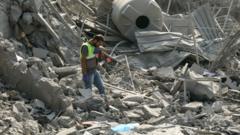
Israeli Military Confirms Deaths in Lebanon Operations
Israeli strikes on southern Lebanon have resulted in eleven fatalities, according to local authorities in the region. The Israeli strikes were carried out as a military response to what Israeli officials characterized as hostile actions directed against their personnel. This latest escalation marks a significant moment in the ongoing tensions between Israel and militant groups operating from Lebanese territory.
Details of the Military Response
Israel's military command released a statement indicating that the Israeli strikes targeted what they identified as "Hezbollah terror infrastructure" in the southern Lebanese region. The operation was described as a defensive measure following earlier incidents involving attacks on Israeli soldiers. Military representatives emphasized that the strikes were precision operations aimed at specific militant facilities rather than civilian infrastructure.
Hezbollah Infrastructure Targeted
According to Israeli military sources, the targets included positions and installations associated with Hezbollah's operational capabilities. The Hezbollah infrastructure that was struck comprised weapons storage facilities, command centers, and launch sites used for rocket operations. Israeli officials stated that extensive intelligence gathering preceded the strikes to ensure accuracy and minimize collateral damage in populated areas.
Previous Provocations Leading to Response
The Israeli military cited earlier hostile actions as justification for the strikes on southern Lebanon. These prior incidents allegedly involved attacks targeting Israeli military personnel stationed near the Lebanese border. Defense officials noted that patience had been exercised, but the frequency and severity of the attacks necessitated a proportional military response against Hezbollah positions.
Humanitarian and Regional Implications
The escalation resulting from Israeli strikes has raised international concerns about the humanitarian situation in southern Lebanon. Regional observers warn that continued military operations could further destabilize the already fragile situation along the border region. The deaths reported represent a significant toll on the civilian and combatant populations affected by the conflict.
International Perspective on the Conflict
Global observers and diplomatic entities continue monitoring the situation closely. The pattern of Israeli strikes and counter-operations reflects deeper regional tensions that extend beyond immediate military considerations. International humanitarian organizations have expressed concern about civilian populations caught in the crossfire during these operations in southern Lebanon.
Military Strategy and Future Operations
Israel's military establishment indicated that operations would continue as deemed necessary to protect its forces. Military analysts suggest that the Israeli strikes represent a recalibrated approach to addressing threats emanating from Lebanese territory. The targeting of Hezbollah infrastructure reflects strategic objectives aimed at degrading the organization's operational capacity.
Defense officials emphasized that future operations would be conducted with the same precision and tactical considerations observed in the current strikes. The military continues to assess threats and coordinate responses to protect Israeli citizens and soldiers from attacks originating in southern Lebanon.
Regional Stability Concerns
The Israeli strikes have intensified concerns about broader regional stability. Analysts warn that escalating military operations could trigger further retaliatory cycles, complicating efforts toward de-escalation. The situation underscores ongoing vulnerabilities along the Israel-Lebanon border and the persistent challenge of managing armed group presence in southern Lebanon.
The humanitarian cost of these Israeli strikes, with eleven killed according to local authorities, adds to the growing toll of the intermittent conflict. As military tensions remain elevated, prospects for diplomatic resolution appear distant, with both sides maintaining hardline positions regarding security threats and operational responses.