
Ebola Outbreak Spreads Rapidly: Violence and Misinformation Fuel Crisis
The fastest growing Ebola outbreak spreads across DRC with 1,759 cases. Violence, aid cuts, and misinformation worsen the deadly threat affecting thousands.
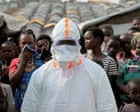
Ebola Outbreak Accelerates Across the Democratic Republic of Congo
The Ebola outbreak currently ravaging the Democratic Republic of the Congo represents the fastest-growing epidemic of its kind in recorded history. Since initial confirmation in a single province nearly two months ago, the virus has demonstrated alarming transmission rates, expanding geographically and claiming lives at unprecedented speeds. As of July 8, official government records document 1,759 confirmed cases alongside 600 deaths, with the outbreak showing no signs of deceleration.
The Ebola outbreak has crossed international borders, reaching neighboring Uganda where health authorities have identified 20 confirmed cases, resulting in two fatalities. This transnational spread underscores the vulnerability of regional health systems and the interconnected nature of disease transmission in Central Africa.
Conflict Zones Amplify Disease Transmission
Armed conflict within affected regions has fundamentally altered the landscape of disease control efforts. Active violence prevents healthcare workers from accessing communities, limits epidemiological surveillance, and forces populations to relocate frequently, inadvertently facilitating viral transmission. Military operations have destroyed critical health infrastructure, dismantled vaccination programs, and created humanitarian corridors where the Ebola outbreak travels unchecked.
In conflict-affected areas, traditional burial practices continue despite public health warnings, serving as significant transmission vectors. The inability of authorities to enforce safe burial protocols due to insecurity has prolonged the Ebola outbreak cycle and increased exposure among grieving families and community members.
Misinformation Undermines Public Health Response
False narratives and conspiracy theories have substantially hindered containment strategies. Widespread misinformation regarding vaccine safety, treatment efficacy, and disease origins has fostered deep community distrust toward public health institutions. Rather than seeking medical care at established treatment centers, affected individuals often remain in home isolation, unknowingly spreading the Ebola outbreak to household members.
Social media platforms amplify unverified claims about the origins of the Ebola outbreak, with some communities rejecting vaccines and preventative measures. This information vacuum has allowed dangerous myths to proliferate, directly contributing to increased case numbers and mortality rates.
Attacks on Healthcare Workers and Facilities
Targeted violence against healthcare providers has severely compromised the response to the Ebola outbreak. Treatment centers have been attacked by armed groups, forcing temporary closures and evacuation of medical personnel. Healthcare workers report intimidation, threats, and physical assault, discouraging participation in outbreak response activities.
These attacks create a chilling effect throughout the medical community. Experienced epidemiologists and nurses abandon positions in affected regions, creating critical staffing shortages precisely when expertise is most needed to combat the Ebola outbreak. Community health volunteers, essential for contact tracing and disease surveillance, face persecution for their involvement in response efforts.
Funding Cuts Compromise Emergency Response
Reduced international financial support has weakened disease surveillance systems and restricted testing capacity during this critical period. Budget constraints limit the availability of protective equipment for healthcare workers responding to the Ebola outbreak, increasing occupational exposure and infection rates among medical staff.
Laboratory infrastructure deficiencies delay diagnostic confirmation, allowing cases to progress undetected and multiply within communities. Limited resources prevent adequate compensation for contact tracers and field epidemiologists, resulting in attrition from response teams managing the Ebola outbreak.
Cross-Border Surveillance and Regional Coordination
Uganda's identification of cases confirms that the Ebola outbreak transcends national boundaries, necessitating enhanced regional cooperation. Border screening protocols remain inconsistently implemented across Central African nations. Neighboring countries must strengthen epidemiological coordination to prevent further international spread of the Ebola outbreak.
Early warning systems require investment in real-time data sharing between nations and transparent communication regarding case confirmations and suspected exposures.
Future Outlook and Control Measures
Controlling the Ebola outbreak demands simultaneous intervention across multiple dimensions: reducing armed conflict, combating misinformation through trusted community leaders, protecting healthcare infrastructure, and restoring adequate funding for response operations. Without addressing these interconnected challenges, projections suggest continued exponential growth in cases associated with the Ebola outbreak.
Community engagement remains fundamental to reversing current transmission trends. Educational campaigns must be culturally sensitive and deployed through trusted local authorities rather than external organizations, which may face heightened skepticism during the ongoing Ebola outbreak crisis.