
Dutch Nurse Reveals Revolutionary Dementia Care Approach
Discover how nurse Teun Toebes and filmmaker Jonathan de Jong challenge traditional dementia care through their groundbreaking documentary 'Human Forever'.
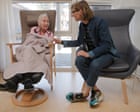
Challenging Conventional Dementia Care Models
A transformative dementia care approach is being reimagined through the collaborative work of healthcare professional Teun Toebes and documentary filmmaker Jonathan de Jong. Their groundbreaking project, titled Human Forever, presents a compelling case for rethinking how societies support individuals living with cognitive decline and the importance of maintaining personal autonomy within residential settings.
The dementia care approach demonstrated in their documentary challenges long-standing institutional practices that have dominated elderly care facilities for decades. Rather than accepting the status quo of restrictive environments, Toebes and de Jong advocate for frameworks that prioritize dignity, freedom, and meaningful engagement for residents.
A Student Nurse's Eye-Opening Experience
Toebes began his career as a seventeen-year-old student nurse, encountering his first care home assignment on a secured ward where residents faced physical restrictions. This early exposure to institutional elder care left a profound impression on the young healthcare professional. The locked doors and limited freedoms he witnessed served as a catalyst for questioning fundamental assumptions about dementia management.
That formative experience prompted Toebes to investigate whether alternative models existed. Rather than accepting the premise that locked wards represented best practice, he committed to exploring how care facilities worldwide were addressing similar challenges through different philosophical frameworks.
Documenting Global Best Practices in Elder Care
The documentary Human Forever traces Toebes' extensive journey across multiple care homes throughout the Netherlands and beyond. His investigation expanded internationally to identify and document innovative approaches to dementia care that prioritize resident autonomy while ensuring safety and appropriate supervision.
De Jong's filmmaking expertise proved instrumental in capturing these environments authentically. The visual documentation reveals how different cultural contexts and care philosophies produce measurably different outcomes for individuals experiencing cognitive decline. Some facilities implemented architectural designs that encourage movement and exploration, while others focused on community integration and meaningful activities tailored to residents' interests and capabilities.
The Philosophical Shift in Understanding Dementia
At its core, the Human Forever project represents a philosophical departure from viewing dementia primarily as a medical problem requiring institutional containment. Instead, Toebes and de Jong present dementia as a condition that, while requiring appropriate support structures, should not necessitate the removal of fundamental human freedoms.
The collaborative work questions whether locked wards truly serve therapeutic purposes or whether they reflect outdated assumptions about cognitive decline. Contemporary research increasingly supports the notion that environmental enrichment, social engagement, and maintained autonomy contribute positively to quality of life for dementia patients, even as their cognitive abilities change.
Complementary Book and Film Resources
Both the documentary and accompanying book versions of Human Forever serve as comprehensive resources for healthcare professionals, family members, and policymakers seeking to understand evolving dementia care standards. These works synthesize Toebes' practical nursing experience with de Jong's documentary narrative techniques to create accessible yet substantive content.
The materials present case studies from various care homes, comparing operational philosophies, resident outcomes, and practical implementation strategies. By showcasing concrete examples rather than theoretical arguments alone, Toebes and de Jong provide actionable frameworks that healthcare systems can adapt to their specific contexts and populations.
Broader Implications for Care System Reform
The dementia care approach advocated through Human Forever has implications extending beyond individual facilities. Their work suggests that systemic changes in how societies fund, regulate, and conceptualize elder care could yield substantial improvements in resident wellbeing and staff satisfaction.
Progressive care models documented in their project often involve smaller residential units rather than large institutional facilities, staff training emphasizing person-centered care, and community integration programs that maintain residents' social connections. These structural and cultural elements require different investment priorities and regulatory frameworks than traditional institutional models.
Teun Toebes and Jonathan de Jong's Human Forever project ultimately presents dementia care not as an intractable problem requiring isolation and restriction, but as a challenge amenable to creative, compassionate, and evidence-informed solutions that respect residents' inherent dignity and preserve meaningful aspects of human autonomy and connection.