
Desperate Families Seek Trapped Loved Ones After Devastating Venezuela Earthquakes
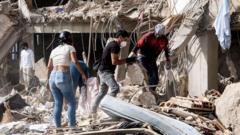
Families maintain vigil at collapsed buildings in Venezuela following deadly earthquakes. Rescue efforts face massive challenges removing heavy debris in devast...
Venezuela Earthquakes Leave Families Desperate to Reach Trapped Loved Ones
The powerful seismic events that struck Venezuela have left numerous families in a state of anguish, gathering at the sites where they believe their loved ones remain trapped beneath collapsed structures. As Venezuela earthquakes trapped loved ones continues to grip the nation, relatives camp outside damaged buildings, calling out names and hoping against hope to hear responses from beneath the rubble.
The Impossible Challenge of Debris Removal
The primary obstacle facing rescue operations involves the sheer volume and weight of building debris scattered across affected areas. Heavy concrete slabs, twisted metal reinforcements, and wooden beams create an nearly insurmountable barrier for families attempting rescue efforts without heavy machinery. Many residents resort to manual labor with basic tools, shovels, and pickaxes, working around the clock in conditions that grow increasingly hazardous as structural integrity deteriorates further.
Family Vigils Continue Through the Night
Across the devastated region, emotional scenes unfold as relatives maintain constant vigil outside buildings where they suspect missing family members remain trapped. Parents call desperately for children, spouses search for partners, and siblings cry out for brothers and sisters. These vigils represent more than mere waiting; they embody a profound human determination to maintain connection with those feared lost, supported by the fragile hope that survival remains possible.
Emotional Testimonies from the Epicenter
Survivors and family members describe the moment buildings collapsed, detailing how entire families separated in seconds. One woman recounts how her husband left for work moments before the earthquake struck, and she has heard nothing since. Another family describes multiple relatives who worked in a commercial building that pancaked during the tremor, leaving uncertainty about their fates.
Resource Limitations Hamper Rescue Efforts
The region faces acute shortages of specialized rescue equipment, trained personnel, and emergency resources required for large-scale debris clearing operations. Official rescue teams work alongside community volunteers, but progress remains painfully slow. Heavy machinery availability proves insufficient for the scale of destruction, forcing families to resort to primitive excavation methods that risk further collapses and secondary injuries.
Structural Engineering Obstacles
Buildings constructed decades ago with substandard materials and insufficient earthquake-resistant design collapsed more readily than newer structures. Rescue workers must carefully evaluate each unstable structure before attempting any debris removal, as careless intervention could trigger additional collapses that might crush survivors still breathing in air pockets beneath the rubble.
Community Response and Mutual Aid
Despite overwhelming odds, community solidarity has emerged as a critical survival factor. Neighbors organize themselves into search teams, residents share food and water with rescue workers, and local volunteers coordinate databases of missing persons. Churches, community centers, and schools transform into coordination hubs where families post photographs and share information about those unaccounted for.
Documentation and Missing Person Networks
Social media platforms become vital tools for disseminating information about trapped individuals and coordinating search efforts. Families create detailed posts including photographs, descriptions, and last known locations, hoping that shared content reaches someone with relevant information. Digital networks have proven surprisingly effective in this low-tech environment, complementing official missing person registries.
The Psychological Toll on Waiting Families
The uncertainty surrounding missing loved ones creates profound psychological distress for families who cannot move beyond the site of potential tragedy. Sleep deprivation, emotional exhaustion, and the devastating possibility that they may never find answers leaves many families in states of traumatic shock. Mental health support remains inadequate, as counselors and psychological services become overwhelmed by the scale of collective trauma.
Official Response and Aid Distribution
Government authorities coordinate emergency response measures, though resources stretch thin across multiple disaster zones. International humanitarian organizations mobilize to provide medical aid, temporary shelter, and specialized rescue equipment. However, logistical challenges in reaching isolated affected areas delay critical assistance from reaching desperate families who refuse to abandon their vigils.
Looking Toward Resolution
As rescue operations continue at reduced pace, families maintain their desperate hope that Venezuela earthquakes trapped loved ones may yet result in miraculous rescues. Each day of continued search efforts represents a battle against time, structural danger, and the ever-diminishing likelihood of finding living survivors beneath increasingly unstable rubble. Yet the human determination to recover loved ones, regardless of outcome, demonstrates resilience in the face of natural disaster's indiscriminate destruction.