
Dangerous Dewormer and Antiparasitic Agents Marketed as Miracle Cancer Cures: Investigation Reveals
BBC probe uncovers dewormer and scabies drugs being fraudulently sold as cancer treatments, putting vulnerable patients at risk with false claims.
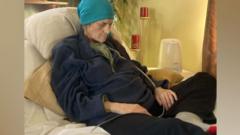
Dangerous Dewormer and Scabies Medication Fraudulently Promoted as Cancer Cures
An alarming investigation has exposed how dewormer and scabies drugs being marketed as cancer treatments are putting terminally-ill patients at serious risk. These pharmaceutical products, which have no proven efficacy against malignant tumors, are being aggressively promoted to vulnerable individuals seeking alternative treatment options. The dewormer and scabies drugs being sold as cancer treatment represent a disturbing trend in medical fraud that preys on desperate patients and their families.
How the Scam Operates
Investigators uncovered a troubling pattern wherein unauthorized vendors, including an individual identified as a stair lift salesman, approached terminally-ill patients with remarkable claims. These salespeople asserted that antiparasitic compounds could effectively shrink tumors and provide relief from advanced cancer stages. The deceptive marketing tactics exploit the emotional vulnerability of patients facing imminent mortality, offering false hope through unsubstantiated medical claims. Such predatory practices take advantage of individuals who have exhausted conventional treatment avenues and desperately seek alternatives.
The Medical Facts Behind the Fraud
Dewormer medications, primarily designed to eliminate parasitic infections in humans and animals, possess no therapeutic properties against cancerous cells. Scabies treatments, similarly formulated to address specific skin conditions caused by mites, lack any anticarcinogenic components. Medical professionals and oncologists have repeatedly emphasized that these substances have never demonstrated efficacy in treating any form of malignancy. The promotion of dewormer and scabies drugs being administered to cancer patients contradicts established medical science and regulatory standards.
Vulnerable Populations at Risk
Terminal cancer patients represent an exceptionally vulnerable demographic susceptible to exploitation. Individuals in advanced disease stages often experience psychological distress, depression, and decreased rational judgment—emotional states that predatory vendors deliberately target. Family members of dying patients, equally desperate and willing to pursue any potential intervention, become secondary targets for these fraudulent schemes. The cycle perpetuates as marketing materials circulate through online communities, social media platforms, and word-of-mouth networks within patient support groups.
Regulatory Failures and Consumer Protection Gaps
The persistence of such schemes indicates potential gaps in consumer protection mechanisms and medical oversight. Regulatory agencies tasked with preventing pharmaceutical fraud require better coordination and more aggressive enforcement mechanisms. The ability of unauthorized individuals to distribute unregulated substances without intervention suggests systemic vulnerabilities in current safeguarding procedures. Governments and health authorities must strengthen surveillance systems to identify and eliminate fraudulent medical product sales before they reach susceptible populations.
Real Consequences for Patients
Beyond financial exploitation, patients utilizing dewormer and scabies drugs being promoted as cancer cures experience tangible medical risks. These substances can produce adverse side effects, potentially accelerating decline or complicating legitimate treatment protocols. Financial devastation compounds physical suffering when terminally-ill patients exhaust remaining resources on worthless interventions. The emotional toll on families discovering they've been defrauded extends beyond monetary loss, creating psychological trauma during already-traumatic circumstances.
Investigation Findings and Evidence
The comprehensive investigation identified multiple vendors engaging in systematic fraud targeting cancer patients across various demographic categories. Documentation revealed consistent marketing language, misleading testimonials, and deliberately obscured product origins. Evidence demonstrated these operations function with sophisticated organizational structures despite lacking legitimate medical credentials or manufacturing licenses. The scope of the operation suggests this represents merely the visible portion of a larger, concealed enterprise.
Protecting Patients from Medical Fraud
Awareness campaigns must educate patients and caregivers about identifying fraudulent medical claims. Legitimate cancer treatments undergo rigorous clinical trials, regulatory approval processes, and transparent documentation. Any purported cancer therapy lacking such credentials should trigger immediate skepticism. Healthcare providers should proactively discuss the dangers of unproven treatments, helping patients navigate the emotional minefield of terminal illness without falling prey to exploitation.
Moving Forward
This investigation underscores the urgent necessity for comprehensive reform in medical product regulation and consumer protection legislation. Enhanced collaboration between law enforcement, health agencies, and financial institutions could disrupt fraudulent networks. Prosecution of perpetrators must carry substantial penalties to deter future exploitation. Most critically, the medical community must continue validating the psychological aspects of terminal illness while strengthening institutional support systems for patients and families navigating advanced disease without resorting to dangerous, unproven interventions.