
Cross-party consensus vital for UK climate challenges: Lib Dems warn
Liberal Democrats call for cross-party meetings to address UK extreme weather, heat waves, and super El Niño impact. Strategic climate response needed.
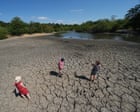
Liberal Democrats demand unified approach to climate emergencies
The Liberal Democrats have issued a call for a comprehensive cross-party climate response to tackle the escalating environmental challenges facing the United Kingdom. The party argues that a cross-party climate response is essential to address the mounting threats from consecutive extreme weather events and anticipated global climate disruptions that could destabilize food security and economic stability across the nation.
Party officials have specifically urged the Prime Minister Andy Burnham to convene a multi-party summit dedicated to formulating a coordinated strategy for responding to extreme weather phenomena. This includes addressing the cascading impacts of five successive heatwaves that have battered the UK since May, alongside preparations for the anticipated 'super El Niño' weather pattern expected to intensify global climate pressures.
Recent government action insufficient, Lib Dems argue
While the Prime Minister previously chaired a Cobra emergency meeting earlier this month to address the nation's drought crisis, the Liberal Democrats maintain that this response has fallen short of tackling the broader spectrum of climate-related threats. The government's limited public engagement on the compounding impacts of multiple heatwaves and the forecasted global challenges suggests a reactive rather than proactive governmental stance.
The party contends that addressing these interconnected crises requires more than isolated emergency meetings. A systematic, multi-departmental approach involving all parliamentary parties would enable the development of comprehensive policies to mitigate food shortages, manage inflationary pressures triggered by supply chain disruptions, and fortify the nation's climate resilience infrastructure.
Understanding the super El Niño threat
The 'super El Niño' represents a particularly acute concern for global climate stability. This natural climate oscillation, which influences weather patterns worldwide, is projected to intensify existing environmental stressors and create secondary economic challenges including agricultural disruption and international commodity price volatility.
Liberal Democrat representatives emphasize that the UK cannot afford to face this anticipated climate phenomenon without a pre-established, cross-party consensus on strategic response mechanisms. Such preparation would enable faster governmental action and more resilient economic and environmental policies.
Multiple heatwaves expose infrastructure vulnerabilities
The sequence of five consecutive heatwaves since May has exposed critical vulnerabilities in the UK's infrastructure and emergency response systems. These events have placed unprecedented stress on water supply networks, energy grids, and public health services, whilst simultaneously highlighting the inadequacy of current long-term climate adaptation strategies.
The persistence of these extreme weather events underscores the necessity for forward-looking governmental planning. A comprehensive cross-party climate response framework would enable the identification of infrastructure gaps, the allocation of resources to vulnerable regions, and the implementation of preventative measures before the next crisis emerges.
Broader economic implications demand urgent attention
Beyond immediate environmental concerns, the confluence of extreme weather and global climate disruptions threatens significant economic consequences. Food shortages resulting from agricultural impacts and supply chain interruptions could trigger inflationary spirals affecting households and businesses nationwide.
The Liberal Democrats argue that fragmentary government responses fail to address these interconnected systemic risks. A coordinated, cross-party climate response strategy would facilitate the development of integrated policies spanning agriculture, energy, transportation, and emergency services, enabling the UK to navigate anticipated crises with greater stability and resilience.
Call for parliamentary consensus-building
The Liberal Democrats' proposal for a cross-party climate response represents a pragmatic acknowledgment that environmental and economic challenges of this magnitude transcend traditional party political boundaries. Establishing parliamentary consensus on climate strategy would enhance policy legitimacy, enable longer-term planning continuity across electoral cycles, and demonstrate unified national commitment to climate resilience.
Such consensus-building would also facilitate more effective international climate negotiations and position the UK as a leader in coordinated climate response strategies, potentially influencing global approaches to managing El Niño impacts and subsequent climate disruptions.