
Court Overturns Orange Order March Ban, Sparking Sectarian Tensions
High court decision quashes restrictions on Orange Order march near Portadown, reigniting long-standing Garvaghy Road dispute and sectarian concerns in Northern...
Court Decision Reignites Longtime Sectarian Dispute
A significant judicial ruling has once again brought the contentious Orange Order march controversy to the forefront of Northern Ireland's political landscape. The high court's decision to overturn the latest restriction on the Orange Order march has triggered renewed concerns about potential sectarian confrontation in the region, particularly surrounding the historically sensitive Garvaghy Road area near Portadown in County Armagh.
The Orange Order march dispute, commonly referred to as Drumcree, represents one of the most persistent and emotionally charged issues in Northern Ireland's troubled history. For decades, this annual ritual became synonymous with communal tension and violence during the summer marching season, threatening the fragile peace that has characterized the region in recent years.
A History of Tension and Violence
The Drumcree crisis emerged as a defining feature of Northern Ireland's sectarian landscape during the 1990s and early 2000s. Each summer, the anticipated march sparked violent confrontations between members of the Orange Order, predominantly Protestant, and local Catholic residents living along the proposed route. These clashes escalated into broader violence throughout Northern Ireland, with communities experiencing murderous sectarian attacks that extended far beyond the immediate marching dispute.
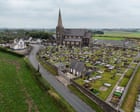
Pitched battles erupted regularly around the parish church situated near Portadown, with police caught in the middle of increasingly hostile confrontations. The spiral of violence during these periods demonstrated how deeply entrenched the sectarian divisions remained within Northern Ireland society. Roads were barricaded, communities were polarized, and the region's fragile stability was repeatedly tested by the intensity of these recurring clashes.
Two Decades of Relative Peace
Approximately twenty years ago, the temperature surrounding the Drumcree dispute began to cool substantially. The boiling cauldron that had scalded Northern Ireland each summer gradually transformed into something more manageable. Rather than the annual cycles of violence and confrontation, an informal understanding emerged between the key parties involved. This de facto truce allowed the Orange Order march issue to fade from headlines and recede into historical memory for many observers.
During this extended period of relative calm, many believed the most contentious aspects of the Orange Order march controversy had been resolved through quiet negotiation and changing social attitudes. The absence of major confrontations suggested that Northern Ireland had moved beyond the most virulent expressions of sectarian tension that once characterized the Drumcree periods. Communities along the Garvaghy Road and throughout the region experienced unprecedented stability during these intervening years.
New Legal Challenge Threatens Fragile Status Quo
The recent high court judgment overturning restrictions on the Orange Order march represents a potential turning point that threatens to destabilize this carefully maintained equilibrium. Legal experts and political observers have expressed concern that the court's decision could reignite dormant tensions and resurrect the bitter disputes that plagued previous generations.
The Orange Order march restriction that was quashed had been implemented to maintain public order and prevent the escalation of sectarian violence. By overturning this protective measure, the high court decision has created uncertainty about how the disputed march will be managed and whether communities can maintain the peaceful arrangements that have held for the past two decades.
Implications for Northern Ireland's Future
The timing of this judicial decision raises serious questions about the political row surrounding Garvaghy Road and the broader sectarian fault lines that continue to characterize Northern Ireland. While the region has made substantial progress toward reconciliation and coexistence, this ruling demonstrates that fundamental disagreements about symbols, tradition, and community rights remain unresolved beneath the surface of apparent calm.
Political representatives from both the unionist and nationalist communities have indicated their concern about renewed confrontation. The Orange Order march represents more than a simple parade route; it embodies competing claims to public space, cultural identity, and historical memory that continue to divide communities along sectarian lines.
Seeking Resolution Amid Uncertainty
As Northern Ireland contemplates the implications of this high court decision, stakeholders face the challenging task of preventing a return to the violent cycles of the past. The years of relative peace demonstrate that coexistence remains possible, yet the underlying tensions that drove the Drumcree crisis have never truly been extinguished. Finding a durable solution will require sustained dialogue, genuine compromise, and renewed commitment to the principles of community respect and inclusive governance that have enabled decades of relative stability in the region.