
Colombia Earthquake Death Toll Reaches 180 as Rescue Teams Race Against Time
Colombia earthquake leaves 180 dead with ongoing rescue efforts. Aftershocks continue as teams work to free survivors trapped in rubble and damaged structures.
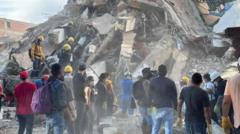
Colombia Earthquake Leaves 180 Dead: Rescue Operations Intensify
A devastating Colombia earthquake has claimed the lives of 180 people, triggering an urgent rescue response as emergency teams work tirelessly to locate and extract survivors from collapsed buildings and debris. The natural disaster has prompted widespread mobilization of rescue personnel across affected regions, with authorities coordinating complex operations to reach those trapped beneath structural wreckage.
The Colombia earthquake triggered numerous aftershocks throughout Tuesday, complicating rescue missions and forcing evacuations from buildings deemed structurally unstable. Emergency responders have been operating continuously in hazardous conditions, navigating through unstable rubble piles while searching for signs of life. The challenging aftershock sequence has presented significant obstacles to search and rescue teams attempting to access affected areas safely.
Ongoing Rescue Efforts and Survivor Recovery
Rescue teams across Colombia have implemented comprehensive strategies to locate and free survivors trapped in the wreckage of residential and commercial structures. Specialized equipment, including search and rescue dogs, thermal imaging technology, and heavy machinery, has been deployed to facilitate recovery operations. Authorities have established coordination centers to manage the complex logistics of the disaster response, ensuring efficient deployment of available resources.
The scale of this Colombia earthquake disaster has necessitated assistance from international rescue organizations and neighboring countries offering specialized support. Medical personnel have been stationed throughout affected zones to provide immediate care to rescued survivors and assess injuries. Field hospitals have been established in strategically located areas to handle the overwhelming number of trauma cases resulting from the catastrophic event.
Impact on Infrastructure and Communities
The Colombia earthquake has caused severe structural damage to residential areas, hospitals, schools, and critical infrastructure facilities. Many communities face challenges related to power outages, water supply disruptions, and compromised sanitation systems. Local authorities are working to restore essential services while simultaneously managing the ongoing rescue and recovery operations affecting daily life across multiple municipalities.
Aftershock Activity and Safety Concerns
Seismic experts monitoring the situation have warned of continued aftershock activity expected to persist in the coming days. These secondary tremors pose additional risks to rescue personnel and potentially destabilize already weakened structures. Residents in affected areas have been advised to remain vigilant and prepared for potential additional seismic events. Authorities continue to issue updated safety guidelines as the geological situation evolves.
Support and Resources Mobilization
Government agencies have declared a state of emergency to expedite resource allocation and coordinate relief efforts. Emergency shelters have been established for displaced residents, while humanitarian organizations distribute food, water, and medical supplies. The Colombia earthquake response involves multiple agencies working in concert to address immediate humanitarian needs and plan long-term reconstruction efforts. International aid organizations are actively engaged in supporting the affected communities through this critical period.
Looking Forward: Recovery and Resilience
As rescue operations continue, attention is turning toward medium and long-term recovery planning. Structural engineers are being mobilized to assess building safety and determine which structures can be rehabilitated versus those requiring demolition. The Colombia earthquake will necessitate significant reconstruction investment, but communities are demonstrating remarkable resilience in responding to this major disaster. Emergency management officials emphasize the importance of maintaining focus on search and rescue operations while simultaneously preparing for the extended recovery phase ahead.