
Churchill Controversy Forces Removal of Portrait Gallery Video Installation
A video installation criticizing Churchill's role in the Bengal famine was withdrawn from the National Portrait Gallery following public controversy and debate.
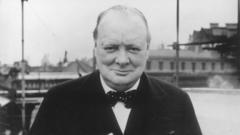
National Portrait Gallery Withdraws Controversial Churchill Installation
The National Portrait Gallery has removed a video installation that generated significant controversy regarding Churchill's historical role in the Bengal famine. The decision to withdraw the exhibit came after mounting pressure and public debate surrounding the artwork's claims about the former British Prime Minister's responsibility during this devastating period of history.
Details of the Disputed Video Installation
The video installation in question presented contentious interpretations of Churchill's actions during the Bengal famine, examining historical claims about his policies and their humanitarian consequences. This particular display sparked immediate debate among historians, critics, and the public, with many questioning both the accuracy and appropriateness of the installation's narrative. The piece had become a focal point for broader discussions about historical accountability and museum responsibility.
The Bengal Famine Context
The Bengal famine of 1943 remains one of the most tragic episodes in modern history, resulting in widespread suffering and loss of life during World War II. Scholars and historians have long debated various factors contributing to the famine, including wartime policies, resource allocation, and administrative decisions. The contentious nature of this historical event means that any public exhibition examining it draws careful scrutiny and diverse interpretations.
Public and Critical Reactions
The National Portrait Gallery's decision to withdraw the Churchill installation reflects the intense reactions it provoked. Different segments of the public held conflicting views about the video's claims and presentation methods. Some felt the installation raised important historical questions that deserved public discussion, while others questioned whether the museum should host works making such controversial assertions about historical figures without extensive scholarly context.
Museum Leadership's Position
Gallery officials determined that removing the installation was the most appropriate course of action given the ongoing controversy and heated debate. This decision underscores the challenging position museums face when presenting historical material that touches on sensitive subjects and competing interpretations of past events. The withdrawal demonstrates how institutions must navigate between presenting diverse historical perspectives and maintaining stakeholder confidence.
Broader Implications for Historical Exhibition
This incident involving the Churchill video installation raises important questions about museum curatorial practices and historical interpretation in public spaces. Museums increasingly grapple with how to present complex, contested histories in ways that educate without promoting particular political agendas. The National Portrait Gallery's handling of this situation will likely influence how other institutions approach similarly sensitive historical material.
Historical Debate Continues
While the video installation has been removed from the gallery, the underlying historical debate about Churchill's role during the Bengal famine continues among academics and historians. Scholars maintain varied perspectives on the extent of responsibility Churchill bore for the famine's severity, examining available evidence and historical documentation. These ongoing academic discussions demonstrate that historical interpretation remains a dynamic and sometimes contentious field.
Looking Forward
The removal of this installation does not resolve broader questions about how institutions should present challenging historical narratives. Museums will continue examining their approaches to controversial subjects, seeking ways to present multiple perspectives while maintaining their role as educational and cultural institutions. The National Portrait Gallery's experience serves as a case study in the complexities of contemporary museum curation.