
Channel 4's ADHD Documentary Sparks Major Charity Controversy
ADHD charity criticizes Channel 4 documentary. One publication calls it 'the year's most controversial show.' Read the full story on the backlash.
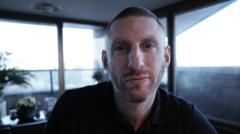
ADHD Charity Launches Complaint Against Channel 4 Documentary
An ADHD charity has filed a formal complaint regarding Channel 4's recent documentary, intensifying scrutiny over the broadcaster's coverage of neurodevelopmental conditions. The ADHD charity's decision to challenge the program reflects growing concerns within the medical and advocacy communities about how the network is portraying attention deficit hyperactivity disorder to the general public.
The documentary in question has quickly become the subject of heated debate across media outlets and social platforms. Critics argue that the ADHD charity's intervention highlights potentially problematic representations that could influence public perception of a condition affecting millions worldwide.
Press Reception and Controversy Surrounding the Broadcast
Press coverage has been exceptionally critical, with one major newspaper describing Channel 4's offering as "the most controversial show of the year." This assessment underscores the significant impact the program has had on audiences and industry commentators alike. The strong language used by media outlets suggests that the documentary has crossed into territory that many consider inappropriate or misleading.
The characterization of the ADHD charity's complaint alongside such prominent media criticism indicates a coordinated concern about journalistic standards and accuracy in health-related programming. Channel 4, as a publicly funded broadcaster, faces additional pressure to maintain editorial integrity when covering sensitive medical topics.
Industry Implications and Public Health Concerns
The ADHD charity's formal complaint signals that advocacy organizations are prepared to challenge content they view as harmful or inaccurate. This intervention represents an important moment for broadcast standards, particularly when documentaries address complex neurological conditions requiring scientific precision.
Stakeholders within the neurodevelopmental health sector have expressed concern that misleading ADHD coverage could perpetuate misconceptions, potentially affecting diagnosis rates and treatment outcomes. The documentary's approach appears to have contradicted established medical consensus, prompting the ADHD charity to take action through official channels.
Broader Context of ADHD Representation in Media
The ADHD charity's objection to the Channel 4 documentary reflects a broader pattern of concerns about health-related broadcasting. Accurate representation of ADHD in mainstream media carries significant weight, as public understanding influences policy decisions, educational approaches, and individual treatment-seeking behaviors.
The timing of the ADHD charity's complaint coincides with increased scrutiny of documentary programming across major broadcasters. Viewers and advocacy groups have become more vocal about demanding factual accuracy in health-focused content, particularly when programs risk undermining scientific understanding of complex conditions.
Next Steps and Regulatory Consideration
The complaint filed by the ADHD charity will likely undergo review by Ofcom, the independent regulator responsible for broadcast standards in the United Kingdom. Such formal complaints represent an essential mechanism for holding broadcasters accountable when content raises substantive concerns.
The ADHD charity's decision to pursue official channels demonstrates commitment to protecting public understanding of the condition. As the complaint processes through regulatory systems, both Channel 4 and the broader broadcasting industry will face continued scrutiny regarding how they approach sensitive medical topics. This incident serves as a reminder of the responsibility broadcasters bear when creating documentary content about health conditions affecting significant portions of the population.