
Carney Criticizes Trump's New Tariffs as Strategic Error Amid Failed Negotiations
Canada's leadership questions Trump's fresh tariffs as a miscalculation following trade negotiations collapse. Retaliatory measures announced.
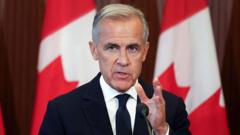
Trump's Tariff Strategy Under Fire
Following the breakdown of critical trade discussions, Canadian officials have publicly denounced Trump's tariffs as a significant miscalculation that threatens bilateral economic relations. The escalating trade tensions represent a pivotal moment in North American commerce as the two nations navigate competing economic interests.
The Trump tariffs have triggered sharp responses from Ottawa, with government leadership expressing deep concerns about the trajectory of ongoing negotiations. Rather than fostering productive dialogue, the new duties are viewed as a departure from constructive engagement that could destabilize both economies.
Canada's Reluctant Response to Tariff Imposition
In a statement reflecting resignation rather than enthusiasm, Canadian authorities unveiled counter-tariff measures designed to protect domestic industries from the American trade action. Officials emphasized they embarked on this path reluctantly, signaling their preference for diplomatic resolution over economic retaliation.
The announcement underscores growing frustration within Canada regarding what government representatives characterize as unilateral trade aggression. Decision-makers stressed they had sought compromise through extended negotiations, only to encounter resistance that forced defensive economic measures.
The Collapse of Trade Negotiations
Months of diplomatic efforts reached an impasse as both nations failed to establish common ground on critical trade framework issues. The breakdown occurred amid mounting disagreement over tariff structures, market access provisions, and intellectual property protections that proved impossible to reconcile within established timelines.
Observers note the Trump tariffs represent the culmination of weeks of deteriorating relations between Washington and Ottawa. Each side blamed the other for negotiating inflexibility, creating an environment where compromise became increasingly elusive.
Canada's Strategic Countermeasures
Canadian policymakers identified specific American exports for targeted retaliatory duties, selecting sectors where Canadian leverage proved strongest. The measured approach aimed to impose sufficient economic pressure to encourage renewed dialogue while avoiding unnecessary harm to interconnected supply chains.
Industrial sectors including agriculture, manufacturing, and specialty goods faced increased tariff exposure under Canada's retaliation framework. Decision-makers calculated these measures would incentivize American stakeholders to pressure their government toward negotiating resolution.
Broader Economic Implications
The trade conflict threatens integrated North American manufacturing networks that have developed over decades of reduced tariff barriers. Companies operating across borders face uncertainty regarding cost structures, logistics arrangements, and long-term investment decisions.
Financial markets reacted with volatility as investors assessed the potential economic damage from sustained tariff escalation. Economists warned that prolonged trade restrictions could reduce consumer purchasing power, increase business operational costs, and slow regional economic growth.
Political Context and Government Positions
Canadian leadership emphasized their commitment to free trade principles while characterizing their response as necessary self-defense against what they termed American protectionism. Officials maintained that their actions followed established international trade dispute resolution procedures.
The political rhetoric surrounding these trade tensions reflected genuine frustration among Canadian policymakers who believed earlier concessions and compromises had been rejected unfairly. Government representatives indicated they possessed documentation supporting their negotiating positions and good faith efforts.
Looking Forward: Prospects for Resolution
Despite the current impasse, both governments acknowledged the possibility of future negotiations to resolve outstanding disputes. Officials signaled willingness to resume talks if conditions permitted, though significant preconditions remained regarding tariff structures and negotiating frameworks.
Trade analysts suggested that sustained economic pressure from both sides might eventually create incentives for renewed diplomatic engagement. The interconnected nature of North American commerce meant that prolonged conflict threatened all parties involved, potentially creating pressure for eventual compromise.