
Cargo Ships Reverse Course Over Houthi Maritime Threats
Shipping vessels abort routes to Saudi Arabia amid escalating Houthi maritime threats. Real-time tracking reveals major course reversals affecting global trade.
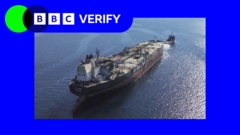
Cargo Ships Reverse Course Over Houthi Maritime Threats
A significant number of commercial vessels have abruptly altered their navigation routes following mounting concerns over Houthi maritime threats in critical shipping corridors. Ship-tracking data demonstrates that multiple tankers and cargo vessels previously bound for or departing from major Saudi Arabian ports have executed sharp directional changes, reflecting heightened anxiety within the global maritime industry regarding security risks in the region.
Tracking Data Reveals Navigation Pattern Shifts
Real-time monitoring systems show that shipping vessels bound for Saudi Arabia have progressively diverted from their originally planned trajectories. The data indicates a coordinated pattern of course modifications among commercial operators responding to the escalating threat environment. These diversions represent a dramatic shift in maritime logistics planning, as shipping companies reassess traditional routes that have historically served as vital conduits for international trade.
Scale of Rerouting Operations
The extent of cargo ship course changes underscores the serious implications of security concerns affecting one of the world's most strategically important shipping zones. Multiple vessels simultaneously navigating away from their intended destinations signals a substantial disruption to established supply chain infrastructure. This phenomenon reflects industry-wide recognition that conventional routing through the region now carries unacceptable operational risks.
Impact on Global Trade Routes
The reconfiguration of shipping patterns due to Red Sea shipping disruptions carries considerable consequences for international commerce. Companies managing petroleum products, containerized cargo, and other commercial goods face significant challenges in route optimization. The necessity to circumvent previously reliable pathways adds substantial distance, fuel consumption, and transit time to journeys that were previously calculated with precision and efficiency.
Economic Implications for Shipping Industry
These maritime security incidents impose tangible financial burdens on operators compelled to adopt alternative routes. Extended voyages translate directly into increased operational expenses, higher fuel expenditures, and delayed cargo deliveries affecting downstream supply chains globally. The cumulative economic impact extends beyond individual shipping companies to influence broader market dynamics and consumer pricing across sectors dependent on maritime transport.
Response from Maritime Operators
Shipping companies have demonstrated proactive approaches to mitigating risks associated with Houthi maritime threats affecting their operations. The decision-making process reflects comprehensive risk assessments that weigh security considerations against operational efficiency. Fleet managers are continuously monitoring threat intelligence and adjusting navigation strategies accordingly, prioritizing vessel safety and cargo protection above conventional routing preferences.
Enhanced Monitoring and Communication Protocols
Maritime operators have implemented strengthened communication networks and surveillance systems to maintain awareness of potential hazards in contested waters. Information sharing among shipping organizations has accelerated, enabling rapid dissemination of threat assessments and route recommendations throughout the industry. This collaborative approach aims to establish safer navigation corridors while maintaining essential trade flows.
Strategic Implications and Future Outlook
The persistent nature of concerns regarding shipping vessels bound for Saudi Arabia suggests sustained disruption to traditional maritime infrastructure. The international shipping community faces ongoing uncertainty regarding optimal route selection and long-term operational planning. Naval authorities and commercial operators continue engaging with security agencies to develop comprehensive strategies addressing the evolving threat landscape.
This situation demonstrates the vulnerability of critical maritime chokepoints to regional security challenges and highlights the interconnected nature of global trade systems. Sustained disruptions to major shipping corridors can generate cascading effects throughout supply chains worldwide, affecting industries and consumers far removed from the immediate conflict zone. The maritime industry's adaptive response illustrates both resilience and the significant costs associated with navigating geopolitical complexities in internationally important waters.