
Canned Cocktails UK: The Rise of Ready-Mixed Drinks
Discover why canned cocktails have become Britain's favourite drink choice. Explore the trend from M&S gin and tonic to modern mojitos and margaritas.
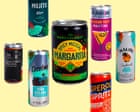
The Evolution of Canned Cocktails in Britain
For nearly four decades, canned cocktails UK have transformed the way British consumers enjoy mixed drinks. What began when Marks & Spencer first introduced canned gin and tonic has now evolved into a widespread phenomenon, with supermarkets and independent retailers stocking an extensive variety of pre-prepared beverages. Today, shelves are lined with canned mojitos, margaritas, negronis, cosmopolitans, and countless other classic cocktail options, marking a significant shift in consumer drinking habits.
The proliferation of canned cocktails represents more than just a convenience factor; it reflects changing attitudes towards alcohol consumption and social drinking in contemporary Britain. Unlike traditional attitudes that favoured home bartending or ordering from establishments, the modern consumer increasingly embraces ready-mixed cocktails as a legitimate and socially acceptable choice.
Understanding the Social Acceptance of Tinified Drinks
The curious aspect of canned cocktails' success lies in their perceived respectability compared to other alcoholic beverages. Despite moral concerns that once surrounded alcopops and pre-mixed drinks, canned cocktails have managed to escape similar controversy. One contributing factor to this acceptance is the inherent sophistication associated with classic cocktail names. Whether cosmopolitans, negronis, or margaritas, these drinks carry cultural weight and refinement that distinguishes them from mass-market lager or sugary alcopops of previous decades.
The cosmopolitan, famously popularised through television culture and celebrity endorsement, exemplifies how brand association influences consumer perception. When consumers purchase a canned cosmopolitan, they're not merely buying an alcoholic beverage; they're acquiring a product connected to aspirational lifestyles and cultural narratives. This psychological component has proven instrumental in legitimising canned cocktails within mainstream society.
The Discretion Factor and Urban Consumption
Contemporary urban life has created ideal conditions for canned cocktail adoption. London's transport network serves as a prime example of this phenomenon. Although Transport for London officially banned drinking on public services in 2008, canned cocktails have found their way into this space through a combination of enforcement laxity and product design advantage. Their compact, pocket-friendly dimensions make them significantly more discreet than traditional four-packs or larger bottles.
The contrast between drinking from a standard lager can and sipping from a branded cocktail tin carries remarkable social significance. As cultural commentators have noted, consuming a four-pack of mass-market lager on public transport reads as uncouth, while opening a canned cocktail feels somehow more refined and civilised. This perception gap demonstrates how marketing, presentation, and brand identity profoundly influence social acceptability, regardless of alcohol content or actual sophistication.
Market Growth and Consumer Preferences
The expansion of canned cocktails in the British market reflects broader consumer preferences for convenience without compromising perceived quality. Working professionals, students, and casual drinkers appreciate the portability and consistency that ready-mixed cocktails provide. Rather than requiring bartending skills or access to multiple ingredients, consumers can enjoy professionally-crafted flavour profiles instantly.
The variety available demonstrates manufacturers' responsiveness to diverse palates. From fruity cosmopolitans to bitter negronis, from refreshing mojitos to tangy margaritas, the market caters to multiple taste preferences. This range appeals to different demographics and occasions, from solo travellers passing journey time to party-goers seeking convenient pre-drinks solutions.
Comparing Canned Cocktails to Previous Concerns
The acceptance of canned cocktails contrasts sharply with public health concerns that surrounded alcopops during the 1990s and early 2000s. Those products faced criticism for allegedly targeting young people through sweet flavours and vibrant marketing. Canned cocktails, however, typically market themselves through established, sophisticated cocktail names and heritage brand associations, which shields them from similar moral panic.
Furthermore, the consumers purchasing canned cocktails tend to be slightly older than those targeted by alcopops campaigns, and the products themselves command premium pricing that excludes some younger demographics. These factors, combined with cultural respectability of the cocktails themselves, have allowed the category to flourish without significant regulatory scrutiny or public backlash.
The Future of Ready-Mixed Cocktails
As canned cocktails continue gaining market share, manufacturers invest increasingly in product innovation, packaging design, and brand positioning. Premium positioning, established cocktail credentials, and consumer desire for convenient yet sophisticated beverages suggest sustained growth prospects for this category. The tinification of Britain's cocktail culture represents a genuine shift in how people consume mixed drinks, transforming what was once a specialised bar experience into an accessible, portable, and socially acceptable everyday choice.