
Burnham Hosts Zelenskyy: UK's Ukraine Policy Explored
Andy Burnham welcomes Ukrainian PM Zelenskyy as first overseas visitor, signaling UK support. Analysis of new PM's foreign policy agenda and domestic reform pla...
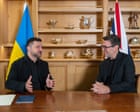
Burnham's Historic First Meeting with Ukrainian Leadership
Andy Burnham's inaugural foreign engagement marks a significant moment in his premiership, with the arrival of Ukrainian Prime Minister Volodymyr Zelenskyy as his first overseas visitor. This diplomatic visit represents a powerful demonstration of the United Kingdom's unwavering commitment to supporting Ukraine during a critical period. The selection of Zelenskyy as the first international guest underscores Burnham's prioritization of strengthening bilateral relations and reaffirming Britain's strategic partnership with Kyiv.
The timing of this high-profile meeting carries considerable symbolic weight in international diplomatic circles. By welcoming the Ukrainian leader immediately upon assuming office, Burnham signals to the global community that supporting Ukraine remains a cornerstone of British foreign policy. This gesture reflects continuity in the UK's geopolitical positioning while simultaneously establishing the new administration's foreign policy framework on the world stage.
Analyzing Burnham's International Relations Strategy
Beyond the ceremonial aspects of the Zelenskyy visit, critical questions emerge regarding the broader contours of Burnham's foreign policy vision. Political analysts Pippa Crerar and Jessica Elgot have examined what this diplomatic move reveals about the new prime minister's approach to international relations. The discussion extends beyond merely hosting a distinguished guest; it encompasses understanding how Burnham intends to navigate complex global challenges while maintaining domestic focus.
Burnham's first significant foreign policy action provides insights into his administration's priorities. The emphasis on Ukraine demonstrates recognition that European stability directly impacts British interests. This positioning contrasts with broader questions about how the new government will engage with other global powers and regional conflicts. The Ukrainian connection represents just one facet of a larger strategic picture that continues to unfold.
Domestic Priorities Meet International Obligations
Simultaneously with managing high-profile international meetings, Burnham has outlined ambitious domestic reform agendas. Among his most pressing policy priorities is addressing social care—an issue that has challenged successive governments and remains deeply embedded in Britain's political discourse. The tension between attending to pressing domestic concerns and fulfilling international obligations presents a fundamental challenge for any modern leader.
The juxtaposition of Zelenskyy's visit with Burnham's domestic reform ambitions raises important questions about resource allocation and political focus. How can the government simultaneously tackle entrenched social care problems while maintaining robust international engagement? This dilemma reflects broader challenges facing contemporary governance, where local needs compete with global responsibilities.
Social Care Reform and Intractable Policy Challenges
Social care represents one of Britain's most persistent policy failures, affecting millions of elderly and vulnerable citizens. Burnham's determination to differentiate his approach suggests dissatisfaction with previous attempts at reform. The mechanisms through which he proposes to achieve meaningful change remain subjects of intense scrutiny among policymakers and analysts alike.
Previous governments have grappled unsuccessfully with funding models, care standards, and workforce sustainability in the social care sector. Each administration has identified the problem; few have implemented lasting solutions. Burnham's stated commitment to tackling this intractable issue suggests either innovative thinking or optimistic assessment of what's politically achievable. The coming months will test whether his administration can deliver genuine progress or merely incremental adjustments to an inadequate system.
Setting Foreign Policy Direction for a New Administration
The Zelenskyy meeting establishes important precedent for Burnham's international engagement style. Political commentators continue analyzing what his foreign policy approach reveals about broader governmental philosophy. Will his administration pursue traditional Atlanticist alignment, strengthen European ties, or chart a distinctive course balancing both relationships?
These foundational decisions made during the early days of a premiership often shape the entire tenure's international trajectory. The selection of Ukraine as the immediate focus suggests continuity with previous British positions on Russian aggression and European security. Yet questions persist about how Burnham intends to balance support for distant conflicts with urgent domestic imperatives.
Engaging with Listeners and Building Democratic Dialogue
The discussion between Crerar and Elgot represents more than insider political analysis; it embodies efforts to translate complex policy questions into accessible commentary for broader audiences. The Politics Weekly platform facilitates ongoing dialogue between political observers and engaged citizens seeking deeper understanding of governmental decisions.
Listeners are encouraged to contribute their own perspectives and questions regarding Burnham's leadership direction. This participatory approach to political discourse reflects contemporary expectations that media coverage should facilitate conversation rather than simply broadcasting expert opinion. The invitation to submit comments demonstrates commitment to inclusive democratic engagement around significant policy developments.
Looking Ahead: Evaluating Early Leadership Choices
The initial weeks of any new premiership establish patterns and signals that reverberate throughout the administration's tenure. Burnham's decisions regarding which international partners to prioritize, which domestic problems to address first, and how to balance these competing demands will shape his political legacy. The Zelenskyy visit provides the first major data point for assessing his leadership philosophy in practice.
As political analysts continue examining these early moves, the broader question remains: what do they reveal about Burnham's capacity to deliver on ambitious reform promises while maintaining Britain's international standing? The answers to these questions will emerge through sustained observation of policy implementation and diplomatic engagement over coming months.