
Burnham Faces Calls to Escalate Russia Response Strategy
Opposition parties urge UK leader Burnham to match Macron's urgency on Russian threat. Latest developments on UK Russia response and critical infrastructure pro...
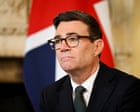
Burnham Faces Growing Pressure on Russia Threat Response
Opposition parties have intensified their calls for Andy Burnham to adopt a more assertive stance regarding the Russia threat, drawing comparisons to French President Emmanuel Macron's proactive security measures. The escalating demands signal deep concerns about the pace and scope of current government responses to Russian activities affecting national security.
Burnham, facing mounting scrutiny over his administration's Russia threat mitigation efforts, has become the focal point of heated parliamentary debates about protecting the United Kingdom's defensive posture. Critics argue that a Russia threat response aligned with European standards would better safeguard British interests and reinforce NATO solidarity during this critical geopolitical period.
Macron Sets Benchmark for Infrastructure Protection
French President Emmanuel Macron has already implemented comprehensive measures designed to shield his nation's critical infrastructure from potential Russian interference and cyber threats. These proactive steps have established a new standard that opposition lawmakers believe the UK government should emulate immediately.
The protective framework established by Macron encompasses multiple security layers targeting vulnerable systems in energy, communications, and financial sectors. His administration has prioritized rapid deployment of defensive technologies and coordinated interagency responses to potential threats originating from hostile foreign actors.
Political Opposition Demands Urgent Action
Members of Parliament from various opposition parties have publicly criticized what they characterize as insufficient urgency in addressing the Russia threat challenge. These lawmakers contend that delaying comprehensive protective measures leaves British infrastructure unnecessarily exposed to sophisticated attack vectors that Russian actors have previously demonstrated.
The political pressure reflects broader concerns across European capitals about maintaining unified deterrence against Russian aggression. Opposition figures argue that Burnham's government risks falling behind allied nations in implementing essential safeguards, potentially creating vulnerabilities that could be exploited during times of international tension.
Infrastructure Vulnerability Assessment Concerns
Security analysts have highlighted multiple sectors requiring enhanced protection against potential Russian interference. Critical infrastructure components in power distribution, water treatment, telecommunications networks, and financial systems all face documented risks from state-sponsored cyber operations emanating from Moscow.
The complexity of defending distributed infrastructure systems demands coordinated approaches involving both private sector partners and government agencies. Experts emphasize that delays in implementing comprehensive Russia threat defensive strategies could permit hostile actors to establish persistent access points that would prove extremely difficult to eliminate once operational.
International Security Coordination Expectations
NATO allies have collectively emphasized the necessity for member states to maintain consistent security standards regarding Russian threat prevention. Burnham's government faces implicit pressure to demonstrate commitment to alliance-wide defensive objectives through tangible policy implementations and resource allocations.
Coordination mechanisms already established among Western nations include information sharing about detected Russian activities, joint response protocols, and synchronized sanctions regimes. Failure to participate actively in these frameworks could isolate British institutions from early warning systems and collective defense arrangements.
Government Response and Policy Implications
The controversy surrounding Burnham's Russia threat strategy highlights fundamental questions about resource prioritization within the government budget. Implementing comprehensive protective measures comparable to Macron's framework would require significant financial commitments and institutional reorganization across multiple agencies.
Questions persist about whether the current approach reflects deliberate policy choices or insufficient understanding of vulnerability assessments conducted by security professionals. Opposition demands for urgency suggest that political consensus may be building for accelerated action regardless of which party controls government during the next election cycle.
Timeline for Implementation Challenges
Security infrastructure upgrades necessary to address the Russia threat comprehensively cannot be deployed instantaneously. Critical timelines for procurement, testing, and staff training typically extend across multiple quarters, creating windows of vulnerability that adversaries might exploit.
The tension between opposition demands for immediate action and the operational realities of complex infrastructure modifications remains unresolved. This dynamic could shape political discourse throughout the parliamentary session as various parties attempt to position themselves as the most committed defenders against Russian threats.