
Burnham Blames Brexit for Decade of Economic Stagnation in Maiden PM Speech
Prime Minister Burnham criticizes Brexit's economic impact, citing a decade of low growth in his first Commons address. Latest political developments and reacti...
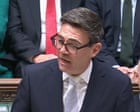
Burnham Delivers Inaugural Parliamentary Address as Prime Minister
In his first speech as Prime Minister to the House of Commons, Andy Burnham directly addressed the economic consequences of Brexit, stating that the nation has endured a decade of low growth as a direct result of the withdrawal from the European Union. The address marked a significant moment in British politics, with Burnham outlining his vision for economic recovery and renewed optimism following years of economic stagnation linked to Brexit's aftermath.
The new Prime Minister's comments about Brexit and its long-term economic repercussions underscore his administration's commitment to confronting the realities that have shaped the UK's recent economic performance. Burnham's emphasis on Brexit as a contributing factor to sluggish growth reflects broader concerns within his government about reversing economic trends that have persisted throughout the post-2016 period.
Background on Burnham's Rise to Leadership
Andy Burnham, who originates from Warrington, specifically the suburb of Culcheth, brings a distinctive perspective to the Prime Minister's office. His ascension to the highest political position represents a shift in UK political leadership and signals potential changes in how the government approaches longstanding economic challenges rooted in the Brexit decision.
The Guardian's senior economics correspondent Richard Partington, who also grew up in Culcheth, returned to the area to gather local perspectives on Burnham's appointment. This personal connection to the region where the new PM spent his formative years adds a human dimension to understanding his political priorities and commitment to addressing issues affecting communities like his hometown.
Economic Message and Policy Direction
Burnham's inaugural Commons speech emphasized bringing optimism and substantial change to British governance. Rather than focusing solely on partisan rhetoric, the Prime Minister centered his address on concrete economic concerns and the need to reverse the trajectory of stagnation that has characterized much of the past decade. His reference to Brexit's economic impact serves as both an acknowledgment of past policy decisions and a framework for explaining his administration's future direction.
The emphasis on low growth and economic performance suggests that Burnham's government intends to prioritize fiscal policy, business investment, and international trade relationships as central pillars of their economic strategy moving forward. By directly naming Brexit as a factor in the UK's economic challenges, Burnham positions his administration as willing to engage with difficult truths about recent national decisions.
Political Changes in Opposition Leadership
Meanwhile, developments within the opposition have continued to evolve. Kemi Badenoch announced a significant reshuffle within her shadow cabinet, bringing about notable changes in key positions. Mel Stride was replaced by Andrew Griffith as shadow chancellor, a position responsible for scrutinizing government economic policy and proposing alternative fiscal strategies.
Additionally, Priti Patel stepped down from her role as shadow foreign secretary, with Tom Tugendhat assuming the position. These changes reflect the opposition's efforts to strengthen their frontbench team and prepare for potential future electoral contests. The timing of this reshuffle, occurring against the backdrop of Burnham's new premiership, highlights the ongoing political competition and evolution of UK parliamentary leadership structures.
Looking Forward: Economic Recovery and National Priorities
As Burnham settles into his role as Prime Minister, his government faces the substantial challenge of addressing the economic malaise he identified in his Commons speech. The acknowledgment that Brexit contributed to a decade of low growth provides a foundation for policy discussions about trade relationships, business competitiveness, and investment attraction to the UK economy.
The new administration's success will likely depend on its ability to translate concerns about economic stagnation into actionable policies that demonstrate tangible improvements in growth rates, employment, and living standards across the nation. Burnham's opening remarks as Prime Minister establish economic recovery as a central priority, setting expectations for how his government intends to measure progress and success in the coming months and years.