
Budget 2026: £100 Energy Relief and Bank Tax Hike Amid Living Standards Concerns
Budget 2026 delivers £100 energy payment to millions and increases bank tax as OBR warns living standards growth remains stalled over the post-Covid decade.
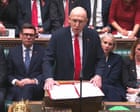
Budget 2026 Energy Payment Announced Amid Economic Concerns
The Budget 2026 energy payment scheme represents a significant intervention aimed at providing immediate relief to millions of households across the nation. As the Office for Budget Responsibility (OBR) raises concerns about stalling living standards, the government has introduced this £100 energy assistance measure alongside a notable increase in bank taxation, signalling a comprehensive approach to economic policy during challenging times.
The Budget 2026 energy payment will reach millions of vulnerable households, offering direct financial support as energy costs continue to weigh on family finances. This measure comes as policymakers grapple with persistent economic headwinds and the need to balance fiscal responsibility with household welfare support.
OBR Warns on Living Standards Growth Trajectory
According to the Office for Budget Responsibility, living standards are forecast to rise by just 1% over the entire post-Covid decade. This sobering projection underscores the prolonged economic challenges facing the nation as it attempts to recover from the pandemic's lasting impacts. The OBR's assessment suggests that despite various government interventions, including the Budget 2026 energy payment scheme, the pace of improvement in household prosperity remains disappointingly slow.
The 1% growth forecast over the ten-year period highlights structural economic challenges that extend beyond immediate energy price pressures. Inflation, wage stagnation in real terms, and broader economic uncertainties continue to constrain the trajectory of living standards improvement across different segments of society.
Bank Tax Rise Strengthens Fiscal Position
Complementing the Budget 2026 energy payment initiative, the government has announced an increase in bank taxation. This measure aims to generate additional revenue for public finances while the banking sector maintains strong profitability. The decision to raise bank taxes reflects broader policy objectives around fairness in the tax system and ensuring that major financial institutions contribute appropriately to public coffers during periods of economic constraint.
Standing Charges on Utility Bills Under Review
Chancellor John Healey has signalled his administration's commitment to addressing the standing charge issue affecting both gas and electricity bills. Following the removal of standing charges from gas bills, the government is now exploring how to eliminate similar charges from electricity bills. However, officials acknowledge that removing electricity standing charges presents greater regulatory complexity than the gas bill reform.
During discussions with consumer finance expert Martin Lewis, the Chancellor indicated that negotiations with Ofgem, the energy regulator, are underway to determine the feasibility of eliminating electricity standing charges. While the government views this as a desirable outcome, regulators have indicated the process will take considerably longer than the gas bill reform, as structural changes to electricity billing systems require more extensive coordination with energy suppliers and network operators.
Broader Policy Framework and Economic Strategy
The Budget 2026 energy payment scheme, combined with bank tax increases and utility billing reforms, constitutes a multifaceted economic strategy designed to address household hardship while maintaining fiscal sustainability. The government's approach recognises that energy costs represent a significant burden for many families, particularly those on fixed or lower incomes, while simultaneously acknowledging the need for long-term economic growth to genuinely improve living standards.
The announcement reflects recognition among policymakers that the post-pandemic recovery has not delivered the swift improvements in household prosperity that many anticipated. With the OBR projecting such modest living standards growth, targeted interventions like the Budget 2026 energy payment become essential components of government policy to prevent further deterioration in household financial circumstances and maintain social cohesion during continued economic challenges.