
British Steel Nationalised: UK's Only Virgin Steel Plant Back Under Public Control
British Steel has been nationalised after years of uncertainty. Discover why the UK's only remaining virgin steel production facility has been taken into public...
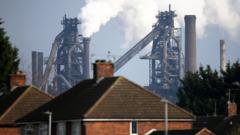
British Steel Nationalisation: A Turning Point for UK Manufacturing
British Steel nationalisation marks a significant milestone in the United Kingdom's industrial landscape, with the nation's sole facility for virgin steel production now returning to public ownership. This decisive move comes after years of mounting speculation and uncertainty regarding the plant's viability and future operations within the private sector.
Years of Uncertainty Lead to Government Intervention
The journey toward British Steel nationalisation has been lengthy and complex. For an extended period, stakeholders and industry observers watched anxiously as the privately-owned operation faced mounting challenges that threatened its survival. These difficulties prompted government intervention, ultimately resulting in the decision to take the facility into public hands to ensure continuity of one of Britain's most critical industrial assets.
The Importance of Domestic Virgin Steel Production
The significance of maintaining domestic virgin steel production capacity cannot be overstated for the British economy. As the UK's only remaining plant capable of producing virgin steel, this facility represents an essential component of the nation's industrial infrastructure. The loss of such a facility would have far-reaching consequences for manufacturing sectors reliant on domestically-produced steel, from automotive to construction and defense industries.
Virgin steel production, distinct from recycled steel manufacturing, requires specialized equipment and expertise. The technical complexity involved in maintaining this capability underscores why protecting this particular operation became a priority for policymakers concerned with national economic resilience and industrial capability.
Public Ownership and Strategic Considerations
The decision to bring British Steel into public ownership reflects broader strategic thinking about essential industrial assets. Government officials recognized that allowing this critical infrastructure to potentially fail or be dismantled would compromise the UK's economic independence and manufacturing capacity for future generations.
Public ownership of British Steel enables the government to ensure stable, long-term stewardship of the facility, prioritizing national industrial interests over short-term financial returns. This approach contrasts with private ownership models that may prioritize shareholder value and immediate profitability above workforce stability and production continuity.
Implications for the Steel Industry and Workforce
The British Steel nationalisation decision carries substantial implications for workers, suppliers, and dependent industries throughout the UK. Employees at the facility gain assurance regarding job security and operational continuity under state management. The broader steel supply chain benefits from increased certainty about material availability and production schedules.
Manufacturing enterprises across multiple sectors that depend on consistent access to British-produced virgin steel can now plan their operations with greater confidence. Construction firms, automotive manufacturers, and engineering companies rely on dependable domestic steel supplies, and the nationalisation strengthens this crucial supply relationship.
Future Prospects Under Public Management
Looking forward, British Steel nationalisation opens possibilities for modernization, investment, and strategic planning oriented toward long-term sustainability rather than immediate profit extraction. The government now bears responsibility for ensuring the facility operates efficiently while maintaining competitive standards within the global steel market.
This transition also provides an opportunity to invest in technological improvements, workforce development, and environmental sustainability measures that might not have been prioritized under previous private management structures. Enhanced focus on research and development, green steel production techniques, and workforce training could position British steel for future competitiveness.
Conclusion: Securing Britain's Industrial Future
The nationalisation of British Steel represents a watershed moment for British manufacturing. By bringing the UK's only virgin steel production facility into public ownership, the government has taken deliberate steps to safeguard a cornerstone of industrial capability. This decision underscores the recognized importance of maintaining domestic production capacity for materials essential to modern manufacturing and infrastructure development. As Britain continues adapting to evolving economic circumstances, secure control over critical industrial assets like steel production ensures the nation retains strategic autonomy and manufacturing resilience for decades to come.