
Brain Tumour Test Slashes Diagnosis Time to Just Two Hours
Revolutionary brain tumour diagnostic technology cuts diagnosis time from eight weeks to two hours, enabling immediate treatment decisions in operating theatres...
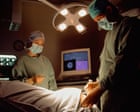
Revolutionary Diagnostic Advancement in Brain Tumour Testing
A breakthrough rapid diagnostic technology for brain tumour identification has transformed clinical practice by reducing the time needed for diagnosis from eight weeks to merely two hours. This revolutionary brain tumour diagnosis method can be administered directly to patients while they remain on the operating table, fundamentally changing how medical professionals approach treatment planning and patient outcomes.
NHS England has officially endorsed this innovative testing approach, which is currently undergoing clinical evaluation across five pilot centres throughout the country. The advancement represents a significant milestone in neurosurgical care, addressing a critical gap in the treatment pathway where time remains an essential factor for patient survival and quality of life.
How the Rapid Diagnostic Test Functions
The new diagnostic technology operates through advanced molecular analysis that can provide definitive results within the operating theatre environment. This rapid assessment capability allows surgeons to make informed decisions about treatment strategies without requiring patients to wait weeks for laboratory confirmation. The procedure maintains the highest standards of medical accuracy while dramatically accelerating the diagnostic process that previously demanded extended hospital stays and prolonged uncertainty.
Medical professionals describe this development as transformative for patients who lack the luxury of time in their treatment journey. By enabling immediate diagnosis during surgical intervention, physicians can now determine the precise nature of the tumour and adjust their operative approach accordingly, potentially improving surgical outcomes and treatment efficacy.
Clinical Implementation and Pilot Programme
The pilot initiative spans five medical centres across England, each selected for their expertise in neurosurgical procedures and research capabilities. These facilities have been equipped with the necessary technology and trained personnel to conduct the rapid brain tumour diagnosis assessments during operative procedures. The comprehensive evaluation programme will generate crucial data regarding the reliability, efficiency, and clinical utility of this innovative testing methodology.
Healthcare administrators and clinical teams participating in the programme have expressed strong optimism about the potential to revolutionize current diagnostic protocols. The integration of this technology into routine surgical practice could represent a watershed moment for neurosurgical departments across the NHS system.
Impact on Patient Care and Treatment Outcomes
The significance of this advancement extends beyond mere procedural speed. For patients confronting brain tumour diagnoses, the psychological burden of awaiting results can be as demanding as the medical condition itself. By collapsing the diagnostic timeline to just two hours during the operative period, this innovation eliminates weeks of anxiety and uncertainty while enabling faster treatment initiation.
Surgeons can now adapt their surgical strategy in real-time based on the tumour's specific characteristics. This capability to immediately understand tumour classification, genetic markers, and other critical diagnostic factors allows for more tailored, precision-based surgical interventions that may enhance both immediate surgical success and longer-term patient prognosis.
Transforming Neurosurgical Practice Standards
The implementation of rapid diagnostic capabilities in operating theatres represents a fundamental shift in how neurosurgical centres approach brain tumour diagnosis and patient management. Traditional workflows required surgeons to make preliminary decisions based on imaging and clinical assessment, then await detailed pathological analysis before finalizing treatment plans. This new methodology integrates definitive diagnostic confirmation directly into the surgical procedure itself.
Medical leaders have characterized this development as game-changing, recognizing its potential to alter outcomes for countless patients. The ability to conduct comprehensive diagnostic analysis within the operating theatre environment addresses longstanding limitations that have constrained neurosurgical practice for decades.
Future Expansion and NHS England Commitment
While currently limited to five pilot centres, NHS England has indicated strong commitment to evaluating the technology's broader implementation potential. Successful results from the pilot programme could facilitate expansion across additional neurosurgical departments, ultimately making this rapid diagnostic capability available to more patients requiring brain tumour assessment and treatment.
The health service recognizes that innovations in diagnostic technology directly translate to improved patient outcomes and more efficient resource utilization within the NHS system. As the pilot data accumulates, administrators and clinicians will assess feasibility for wider deployment across England's neurosurgical infrastructure.
Clinical Significance and Medical Advancement
This innovation exemplifies how technological advancement and medical expertise can converge to address previously intractable challenges in patient care. The two-hour diagnostic window during operative procedures represents a remarkable compression of time compared to the eight-week standard that previously defined the diagnostic pathway for brain tumour patients.
Scientists and medical professionals involved in developing this technology emphasize that speed in diagnosis directly correlates with improved treatment outcomes for patients who face biological time constraints. The ability to definitively identify tumour characteristics while the patient remains under anaesthesia on the operative table fundamentally alters the therapeutic landscape for neurosurgical oncology.
As this pilot programme progresses across the designated NHS centres, continued monitoring and data collection will provide essential insights into how this rapid diagnostic technology can best serve patients and transform standards of care across the neurosurgical community.