
Bezos Investment Deal: Liverpool's Future Under New FSG Ownership Structure
Explore how Jeff Bezos' investment through FSG impacts Liverpool FC's financial capacity and fan sentiment regarding the club's spending power.
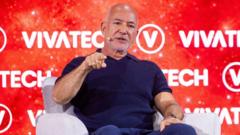
Understanding the Bezos and FSG Deal Impact on Liverpool FC
The announcement of Jeff Bezos' involvement through Fenway Sports Group ownership has sparked significant discussion surrounding Liverpool FC's trajectory. This Bezos investment deal represents a pivotal moment for the Merseyside club, yet the implications for immediate spending capacity remain more nuanced than initial headlines suggest.
Financial Reality: What the Investment Actually Means
When examining the Bezos investment structure, it's crucial to distinguish between capital injection and operational transformation. The investment functions primarily as a financial consolidation for FSG, enhancing the parent company's valuation rather than directly expanding Liverpool's transfer budget or wage expenditure capabilities.
The deal, while substantial in monetary terms, operates within existing financial fair play frameworks. Premier League regulations and financial regulations limit how newly acquired capital can be deployed for immediate player acquisitions. Rather than dramatically altering Liverpool's competitive positioning through unrestricted spending, the investment strengthens FSG's overall asset base and long-term stability.
Comparing Investment Benefits Across Different Scenarios
To contextualize this Bezos investment Liverpool context, consider how rival clubs have utilized similar capital injections. While Manchester City and Paris Saint-Germain dramatically increased expenditure following major investments, those scenarios involved different regulatory environments and ownership structures. Liverpool operates under stricter Financial Sustainability Rules, which cap losses and restrict spending correlations.
Fan Sentiment and Commercial Expectations
The Bezos involvement with FSG has generated considerable debate among Liverpool supporters regarding spending ambitions. Many fans anticipated that such a high-profile investment would translate into immediate recruitment enhancements. However, the reality demonstrates a more measured approach.
The investment primarily addresses FSG's balance sheet rather than unlocking unprecedented transfer resources. While this disappoints some sections of the fanbase expecting marquee signings, it reflects a sustainable financial management philosophy that prioritizes long-term stability over short-term splurging.
The FSG Philosophy and Strategic Direction
FSG's ownership approach emphasizes data-driven decision-making and organic growth. This philosophy extends through their investments across multiple sports properties, including the Boston Red Sox. The Bezos investment deal maintains consistency with these principles rather than signaling a dramatic operational pivot.
Liverpool's recruitment infrastructure, analytics departments, and youth development systems represent the club's true competitive advantages. Capital injection alone cannot replicate the institutional knowledge and strategic frameworks already established under FSG stewardship.
Long-term Financial Positioning
Where this Bezos investment truly matters lies in Liverpool's extended timeline. Enhanced financial backing for FSG creates opportunities for stadium development, training facility improvements, and infrastructure modernization. These initiatives indirectly support competitive ambitions by creating superior operational environments.
The investment also provides FSG with increased financial flexibility to weather economic uncertainties and unforeseen challenges. This stability translates into consistent backing for managerial projects and squad development strategies, even during volatile market periods.
Regulatory Environment and Spending Constraints
The Premier League's Financial Sustainability Rules enforce strict limitations on annual losses and revenue-based spending ratios. These regulations fundamentally constrain how dramatically any club can increase expenditure regardless of ownership wealth. Liverpool's spending capacity remains tethered to revenue generation rather than purely owner resources.
The Bezos investment, therefore, operates within these regulatory boundaries. While FSG possesses greater financial reserves, converting those reserves into increased transfer budgets requires parallel revenue growth through commercial channels, broadcasting agreements, and stadium operations.
Conclusion: Evaluating the True Impact
The Bezos investment represents a significant development for FSG's corporate portfolio rather than a transformative moment for Liverpool's immediate competitive spending. The deal strengthens institutional foundations and provides long-term financial security, which ultimately benefits supporters seeking sustainable success.
Understanding this investment's actual implications requires moving beyond simplistic narratives of billionaire ownership guaranteeing unlimited spending. Instead, Liverpool supporters should recognize the investment's value through stabilized governance, enhanced infrastructure planning, and guaranteed ownership commitment extending across decades. The partnership demonstrates confidence in Liverpool's direction while operating within existing competitive frameworks and financial regulations.