
BBC Demands New Funding Model to Replace Current Licence Fee System
BBC confronts critical challenges and calls for alternative funding model in annual report. Discover how the broadcaster aims to secure its future beyond the tr...
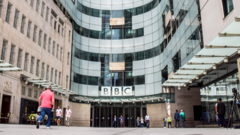
BBC Calls for Revolutionary Funding Transformation
The BBC has issued a comprehensive call for a new funding model to replace its traditional licence fee system, according to its latest annual report analysis. This significant development underscores the mounting pressure facing the United Kingdom's most prominent public broadcaster as it navigates evolving media consumption patterns and financial constraints. Media editor Katie Razzall highlights how the BBC funding model debate has become increasingly urgent for the organization's long-term sustainability.
Understanding the Current Challenges
The BBC faces unprecedented structural challenges that extend beyond simple budgetary concerns. The organization's reliance on the licence fee, a system that has existed for decades, no longer aligns with contemporary viewing habits and technological developments. As audiences shift toward streaming platforms and digital content consumption, the traditional BBC funding model encounters growing resistance from viewers who question its relevance and necessity.
These challenges manifest across multiple dimensions of the broadcaster's operations. Content production costs continue to rise while advertising-dependent competitors gain market share. International competitors, particularly American streaming giants, offer compelling entertainment without subscriber obligations. The generational divide in licence fee compliance further complicates the organization's financial position, as younger audiences increasingly reject mandatory payments for services they may not utilize regularly.
The Case for Alternative Funding Structures
The BBC's proposal for a new funding model reflects recognition that incremental adjustments prove insufficient. Rather than defending the status quo, the broadcaster acknowledges that substantial reform is necessary. Several alternative approaches have emerged in discussions surrounding the BBC's future financial sustainability.
Potential options include subscription-based services, hybrid models combining public funding with voluntary contributions, and market-based revenue generation through commercialization of certain services. Each approach presents distinct advantages and drawbacks that require careful consideration. The BBC funding model transformation represents not merely a financial adjustment but a fundamental reimagining of public broadcasting's role in modern society.
Katie Razzall's Analysis of Strategic Imperatives
Media editor Katie Razzall's coverage emphasizes that the BBC's annual report signals a critical inflection point. The broadcaster's leadership demonstrates awareness that maintaining the current licence fee system indefinitely proves untenable. This acknowledgment from within the organization carries significant weight in broader policy discussions.
Razzall notes that the BBC's call for reform represents both vulnerability and opportunity. The vulnerability stems from mounting financial pressure and declining licence fee compliance. The opportunity emerges from potential freedom to innovate and develop more sustainable operational models. The BBC funding model debate, therefore, encompasses far more than mere fiscal mechanics—it involves questions about public broadcasting's future identity and relevance.
Implications for British Media Landscape
The BBC's position as the United Kingdom's public broadcasting cornerstone makes its funding challenges particularly significant. Success or failure in implementing a new funding model will reverberate throughout the British media ecosystem. Commercial broadcasters, independent producers, and digital platforms all have substantial interests in how the BBC's restructuring unfolds.
A transformed BBC funding model could reshape competitive dynamics across the entire sector. Reduced public funding might force increased commercial activity, fundamentally altering the broadcaster's traditional impartiality stance. Alternatively, innovative funding mechanisms might strengthen the BBC's position and enable greater investment in quality content production.
Moving Forward: Implementation Challenges
Transitioning from the current system to an alternative BBC funding model requires navigating substantial political, legal, and practical obstacles. Parliamentary approval remains necessary for any formal changes to the licence fee structure. Public opinion regarding the broadcaster's value and appropriate funding mechanisms cannot be overlooked in democratic governance.
The BBC's annual report essentially positions the organization as catalyzing necessary conversations about its future. Rather than waiting for external pressure to force reform, the broadcaster proactively advocates for thoughtful consideration of sustainable alternatives. This strategic approach acknowledges that the current trajectory proves unsustainable while advocating for orderly, deliberate transformation rather than crisis-driven reorganization.