
Banksy Artworks Cost Taxpayers Nearly £150,000
Exclusive data reveals that Banksy street art pieces have cost taxpayers almost £150,000. FOI requests uncover rising maintenance and removal expenses.
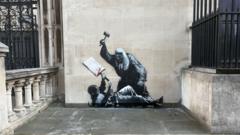
Banksy Artworks Taxpayer Costs Reach Staggering £150,000
Recently released freedom of information documents have unveiled that Banksy artworks have cost taxpayers almost £150,000 in cumulative expenses. This significant financial burden represents a growing challenge for local authorities across the United Kingdom who must manage, protect, or remove these iconic street art installations.
How Banksy Artworks Generate Public Spending
The escalating Banksy artworks taxpayer costs stem from multiple sources. Local councils face decisions regarding whether to preserve these pieces as cultural assets or remove them as unauthorized property modifications. Each choice carries substantial financial implications that ultimately fall on taxpayers.
Maintenance expenses constitute a major portion of these outlays. When municipalities decide to protect and conserve Banksy works, they invest in specialized cleaning, protective barriers, and weather-resistant treatments. These preventative measures aim to preserve the artworks' integrity while managing deterioration caused by environmental exposure and vandalism.
Removal and Restoration Expenses
Conversely, removal costs have proven equally expensive. Some local authorities opt to eliminate Banksy pieces due to property owner requests or city planning regulations. Professional removal requires specialized contractors, equipment, and disposal procedures that command premium pricing. In certain instances, councils have spent thousands on single removal operations.
Rising Financial Burden on Taxpayers
What makes this situation particularly concerning is that costs continue escalating. As more Banksy artworks appear across urban landscapes, the financial pressure on public budgets intensifies. The FOI requests indicate no signs of stabilization, suggesting that future expenditure will likely increase substantially.
Different regions have experienced varying expense levels. Areas with higher concentrations of Banksy works naturally incur greater cumulative costs. Metropolitan authorities managing multiple installations report particularly substantial outlays compared to smaller municipalities with fewer pieces.
The Dilemma: Preservation Versus Removal
Councils face genuine difficulties in determining optimal approaches to Banksy artworks. Some installations have generated significant cultural value and tourism interest, suggesting preservation merits consideration. Other pieces may conflict with property rights or municipal aesthetic standards, necessitating removal.
This tension between artistic merit and practical governance creates complex financial decisions. Preserving an installation indefinitely requires ongoing investment in conservation. Removing it requires immediate substantial expenditure but eliminates future maintenance obligations.
Public Perspective on Banksy Spending
The revelation that Banksy artworks cost taxpayers nearly £150,000 has sparked considerable debate about public fund allocation. Critics argue that resources might be directed toward essential services rather than street art management. Supporters counter that these pieces represent valuable cultural contributions deserving preservation investment.
Public opinion varies significantly across regions and demographics. Areas viewing Banksy works as cultural treasures often support protective spending. Conversely, communities prioritizing fiscal conservatism question whether any taxpayer funding should support these installations.
Future Outlook and Cost Projections
Financial analysts examining these Banksy artworks taxpayer costs anticipate continued increases. As additional pieces materialize, expenditure will likely grow without intervention. Local authorities face mounting pressure to establish clear policies addressing cost management strategies.
Some councils have explored innovative solutions, including public fundraising campaigns, private sponsorship models, and community-based conservation initiatives. These alternatives attempt to reduce direct public expenditure while maintaining preservation efforts.
Conclusion
The almost £150,000 cost of Banksy artworks to taxpayers illustrates the complex financial consequences of managing contemporary street art within municipal budgets. As these expenses continue rising, councils must balance cultural preservation with fiscal responsibility, ultimately asking whether—and how much—communities should invest in these iconic installations.