
Bank of England Rate Hike Looms as Inflation Surges to 5%
Interest rate rise expected soon as Bank of England projects inflation climbing to 5% next spring, forcing households to bear rising borrowing costs.
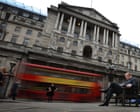
Interest Rate Rise Appears Inevitable Amid Inflation Concerns
Momentum is building for the Bank of England to implement another interest rate rise in response to mounting inflationary pressures. The latest economic projections released by the central bank indicate that inflation could reach 5% by next spring, making an interest rate rise nearly certain. Market observers and financial experts increasingly anticipate this policy adjustment may occur within the coming weeks, potentially during the Bank's scheduled policy meeting on December 17th.
The prospect of an interest rate rise has become a focal point for economists and financial analysts who track central bank decisions closely. Multiple forecasters now expect policymakers to take a more restrictive stance when they convene next month to address the accelerating inflation problem facing the UK economy.
Economic Impact of Rising Borrowing Costs
The burden of an interest rate rise will likely fall disproportionately on households across the United Kingdom. As borrowing costs increase, families face higher monthly payments on mortgages, personal loans, and credit card debt. This financial strain comes at a time when many households are already grappling with reduced purchasing power due to higher living expenses in other areas.
Policymakers face a delicate balancing act when considering an interest rate rise. While tightening monetary policy can help control inflation by reducing the amount of money circulating in the economy, it simultaneously risks dampening economic activity. Raising borrowing costs too aggressively threatens to stifle whatever growth momentum currently exists in the broader economy.
The Inflation Trajectory and Policy Response
The Bank of England's inflation forecast of 5% represents a significant concern for monetary policy officials. This projection reflects the persistent nature of price pressures affecting consumers and businesses alike. The decision to implement an interest rate rise stems from the central bank's mandate to maintain price stability and prevent inflation from becoming entrenched in wage-setting behavior and business practices.
Economic forecasters have grown increasingly convinced that an interest rate rise is not merely possible but probable. The evidence supporting this conclusion comes from persistent inflationary data, supply chain disruptions, and elevated commodity prices that continue to push consumer prices upward. An interest rate rise would represent the latest in a series of policy adjustments aimed at combating this trend.
Market Expectations and December Meeting
Financial markets are already pricing in the likelihood of an interest rate rise at the December 17th meeting. Analysts who track Bank of England decision-making patterns suggest the policymakers will adopt a more austere tone, emphasizing the need for sacrifice and restraint among consumers and businesses. This shift in messaging would signal that policymakers view the inflation challenge as serious enough to warrant restrictive policy measures despite potential economic costs.
The timing of an interest rate rise carries significant implications for household budgets heading into the new year. Many borrowers will see their monthly repayments increase, reducing disposable income available for spending on goods and services. This consumption reduction, while necessary to control inflation, will create headwinds for businesses dependent on consumer spending.
Long-Term Economic Considerations
Economists debate whether an interest rate rise now can prevent more severe policy tightening later. The argument suggests that taking action sooner, while inflation is still somewhat contained, avoids the need for more dramatic increases that would cause greater economic damage. Conversely, some analysts worry that aggressive monetary tightening could trigger a recession if borrowing costs rise too far too quickly.
The households bearing the costs of an interest rate rise have limited alternatives for protecting themselves. While savers may benefit from higher returns on savings accounts and bonds, borrowers will face substantially increased debt servicing costs. The distributional consequences of monetary policy tightening thus deserve careful consideration from policymakers concerned with economic fairness and social stability.