
Arron Banks Allegedly Hired Investigators to Scrutinize Times Journalist
Reform UK member Arron Banks reportedly engaged private detectives to investigate Sunday Times journalist Gabriel Pogrund over Reform UK coverage stories.
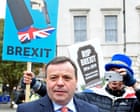
Reform UK Member Under Scrutiny for Alleged Investigative Tactics
Arron Banks, a prominent Reform UK member and Brexit campaigner, has been accused of enlisting private detectives to examine Gabriel Pogrund, a senior editor at The Sunday Times. This allegation comes as Banks faced renewed questions about his involvement in financing and oversight of the political party, following Pogrund's investigative reporting that brought significant scrutiny to Reform UK's financial structures.
The Sunday Times journalist had published multiple exposés examining the party's funding mechanisms and operational practices. According to sources familiar with the matter, Banks's decision to target the reporter with an investigative operation marks an escalation in the tensions surrounding the ongoing media scrutiny of Reform UK.
Details of the Alleged Investigation
Gabriel Pogrund, who leads The Sunday Times Insight investigations team, reportedly became the focus of Banks's attention after releasing several investigative pieces. The reported hiring of private investigators to examine Pogrund's background and activities represents a striking counterinvestigative strategy by the Reform UK figure.
When confronted about whether he deliberately targeted the journalist responsible for the damaging Reform UK coverage, Banks responded with a cryptic statement: "When you live by the sword, you die by the sword." This phrase, implying reciprocal consequences, suggests Banks viewed the investigative journalism as an aggressive action warranting a defensive response.
The Context Behind the Conflict
The allegations emerge within a broader context of mounting pressure on Reform UK regarding its financial transparency and governance. Banks, a significant figure within the party's leadership and funding circles, has faced increasing public and media attention regarding the sources and allocation of party resources.
Nigel Farage's association with Reform UK has also attracted considerable journalistic scrutiny, with multiple news organizations examining the party's operations and decision-making processes. Pogrund's investigations contributed to this wider examination of the party's activities and internal structures.
Implications for Press Freedom and Political Accountability
The allegation that Arron Banks hired investigators to examine a journalist raises important questions about press freedom and the appropriate boundaries of response to investigative reporting. While public figures and organizations have legitimate interests in addressing inaccurate or unfair coverage, deploying private investigators to examine reporters crosses into territory that civil liberties advocates typically view with concern.
The practice of targeting journalists who conduct critical investigations has long been controversial in democratic societies. Such tactics can be perceived as attempts to intimidate reporters and discourage future investigation into matters of public interest. The relationship between Reform UK and journalistic scrutiny thus becomes emblematic of broader tensions between transparency and resistance within contemporary political discourse.
Responses and Legal Considerations
The allegations involving Arron Banks and the private investigative services represent a notable development in the ongoing scrutiny of Reform UK's operations and leadership practices. While Banks's cryptic response acknowledges some form of counteraction, it neither confirms nor definitively denies the specific allegations regarding engagement of private detectives.
The Sunday Times has not released comprehensive details regarding the extent of the investigation into Pogrund or the specific objectives of the alleged investigators. However, the very existence of such allegations raises questions that extend beyond Arron Banks himself to broader concerns about political accountability and the mechanisms through which parties and their leaders respond to critical journalism.
Broader Implications for Reform UK
These allegations add another layer of complexity to Reform UK's public image and operational credibility. The party, already facing questions about financial transparency and governance standards, now confronts questions about its leadership's approach to media oversight and journalistic scrutiny.
As investigations into various aspects of Reform UK continue, including matters related to its funding sources and operational practices, the alleged targeting of Gabriel Pogrund by Arron Banks represents a significant moment in understanding how the party's leadership responds to external criticism and investigative reporting. The incident underscores the tension between political actors seeking to control their public narratives and journalists working to maintain independence and objectivity in their coverage of matters of public concern.